How to Grow Jalapeno Peppers

How to Grow Jalapeno Peppers

How to Grow Jalapeno Peppers in Your Garden

Jalapeno peppers are perhaps the most popular hot pepper plant in the home garden. With just a little ‘heat”, and a great flavor, Jalapenos plants offer home gardeners a profusion of fruit, from mid-summer, up until the first frost. New growers can learn how to grow jalapeno peppers with this plant guide. Experience growers are certain to pick up a tip or two.

Jalapenos score a rating of 4,000 on the Scoville scale. While many people consider the Jalapeno to be quite “hot”, its “heat” is actually on the milder end of the scale, compared to some of the really hot peppers. For example, Habaneros have a Scoville score of 200,000 and are the hottest hot pepper…. Jolokia Ghost pepper has a Scoville score of 855,000 – 1,041,427!

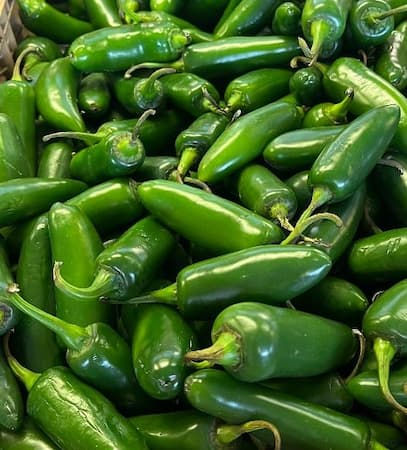
Easy to grow, lush and attractive Jalapeno plants, produce thick, dark green fruit, that grows about 3 inches long.

Use Jalapenos to spice up your favorite recipes. They are a “must-have” in salsas and on nacho platters. You will find them in a wide range of Mexican and Tex-Mex recipes. They are great pickled and even in jellies.

Thought for Today: Life is like a Jalapeno. What you do today may burn your butt tomorrow.

Varieties of Jalapeno Hot Peppers

Many people think there’s only one variety of jalapeno peppers, and they are green. Actually, there are several varieties. Color, size, and variation of shape differentiate the varieties. And, there are other varieties differentiated by level of heat or capsaicin they contain. 

Here are 11 Different Varieties:

Early Jalapenos – The earliest to produce fruit. Grow this variety and you’ll be eating Jalapenos in just 63 days after transplanting. 

El Jefe – This variety combines early harvest with high yield. However, EL Jefe is less flavorful than other varieties. 

Goliath – When it comes to Jalapenos, these are the big boys. This hybrid variety is a heavy producer. They are 5,000 Scoville Heating Units (SHU).

Jalafuego – This is the hottest of the Jalapeno varieties. It has up to 10,000 SHU. Vigorous, healthy plants produce crunchy and tasty fruit.

Jaloro – Looking to add color to your recipes? Try Jaloro. This pepper is a bit of a chameleon. It begins yellow. Then, it turns golden. Finally, it turns red.  Pick them as whatever color stage you prefer.

Jedi – These tall plants are very productive. They produce 4 – 5 inch jalapenos over a long harvest period, up to frost.

Lemon Spice – This variety is grown for its soft yellow color.  Small fruit is 1.5 – 2.5 inches long.  What it lacks in size, it makes up for in flavor and heat. It has 7,500 SHU.

Mattapeño – This variety is a conversation piece in the garden, and at the table. Both the leaves and the fruit are green and white-striped.

Pumpkin Spice – The fruit is a dull orange, almost golden color. Harvest them in the Fall for the kitchen and decorating. Size, heat, and flavor is similar to Lemon Spice. 

Purple Jalapeno – Try this almost black variety. It adds a color accent to your recipes. It is loaded with healthy antioxidants.

TAM Jalapeno – Texas A&M created this variety. If you’re looking for low heat, this is the variety to grow. It is only 1,000 SHU, the lowest heat of any variety.

How to grow Jalapeno Pepper plants

Jalapeno Pepper Plant Specifications

Days to Harvest: 60 to 70 days after transplanting seedlings into the garden. The range varies depending upon growing conditions.

Plant height: 2 to 4 feet tall. 

Light Needs:  Full, direct sunlight

Ideal Soil pH : 5.5 – 7.0 More on soil pH

Plant Hardiness Zones: 9– 11

Plant Type: Perennial usually grown as an annual.

Deer Resistant? The fruit is definitely not on a deer’s menu. Yes. However, Deer will consume the leaves of the plant when other food sources are scarce.

Native To: Central and South America.

Botanical Name: Capsicum annuum ‘Jalapeño

Nutritional Data

One Jalapeno pepper contains approximately:

  • 4 calories
  • 1 g carbs
  • 0 cholesterol
  • 0.1 g fat
  • 0.4 g fiber
  • 0.1 g protein
  • 1 mg sodium

Did You Know? Peppers have over 90% water content.

Planting Jalapeno Hot Pepper Seeds

Like other pepper varieties, it is best to start Jalapeno pepper plants indoors. Sow seeds indoors six to eight weeks or more before the last frost date for your area. Seed germination is slow. It can take 2 – 3 three weeks for the seeds to sprout.

Sow seeds 1/4″ deep, and cover with light, seed starting soil.

Garden Tip: We strongly recommend the use of a heated germination mat, to reduce germination time, and increase germination rate.

Transplant seedlings after the last frost date in your area. But, if the weather is still cold, delay transplanting a few days. Keep the plants in a cold frame, indoors or next to the house.

Light Requirement

While Jalapeno pepper plants tolerate a little light, shade, they grow best when planted in a location where they receive at least six to eight hours of direct sunlight. With full sunlight all day long, and optimal growing conditions, the plant and the fruit will achieve their optimum growth potential.

How to Grow Jalapeno Peppers

Planting and Soil Needs:

The plants like hot weather. Grow Jalapeno pepper plants in full sun. Usually, the plants are grown from seedlings. They grow best in rich, well-draining garden soil. Before transplanting outdoors, add plenty of compost and rotted manure at the planting site. Mix it well into the soil.

Space the plants 20-24 inches apart, in rows 24 to 36 inches apart.

Fertilizer Needs:

The plants thrive in rich soil with plenty of fertilizer. In addition to the rich soil in your garden give them a general purpose fertilizer every 3 to 4 weeks during the growing season. During early growth, use a fertilizer high in nitrogen. Then, prior to the budding and blooming stage, switch to a fertilizer high in phosphorous to promote plenty of flowers.

High nitrogen fertilizer can result in a great-looking bushy, green plant, with few fruits.

Water Needs:

Jalapeno pepper plants prefer moist to slightly dry soil, especially during the early growth period. Add water as needed during hot, dry summer months.

The amount of water available as the Jalapeno pepper develops can affect the heat of the fruit. In wet weather, the fruit absorbs more water diluting the capsaicin in the pepper. This lowers the “heat” of the fruit. In drier weather, less water is absorbed and the Jalapenos are hotter.

Insects and Pests

Many insects are harmful to Jalapeno pepper plants. Spider mites and aphids are the most common insect pest, along with an occasional borer. Pest problems are usually infrequent. For the infrequent problem, try an organic insecticide or dust.

Deer will eat the plant leaves.

Plant Problems – Diagnosis, causes and cures for many common plant problems.

Other Steps:

Mulch around the pepper plants to keep down weeds, and to retain soil moisture.

Jalapeno Peppers are self-pollinating. They can cross-pollinate with pollen carried by bees or other insects, too. If you are going to save the seeds for next year, do not plant different varieties near each other.

Soil Temperatures

Plant Disease

Disease problems are infrequent. It most often occurs in hot, humid weather.

Fungal infections can be treated with fungicides. Apply treatment as needed.

How to Grow Jalapeno Peppers - Harvest Time

Days to Maturity: 60 – 70 days.

Pick jalapeno peppers as soon as they reach near 3 inches long. Young, immature peppers will not have as much heat.

Continuous harvesting promotes new fruit set, and you will be harvesting Jalapenos all the way to the first frost.

Plant Hardiness

Jalapeno hot peppers are a warm-weather crop. Spring and fall frosts will kill the plant. Cold weather in the 30s can stunt their growth. Cover the plants, if frost or cold weather is expected.

Tip: For a quick cover-up on cold fall nights, use five-gallon buckets. They are a perfect size. And they can be quickly placed over the plant.

Pepper Recipes

Related Articles

Also, people who read this page on Jalapeno peppers liked: 

How to Grow Peppers

Do you know your Peppers? Check out the common varieties of peppers.

Hot Pepper Trivia

Subscribe To Our Newsletter

    Please support our site. Shop for:

    Scroll to top