Do you call them “Peas”, “Sweet Peas” or “Snow Peas”? Regardless of the name you call them, they are a very popular garden vegetable. And, you know it, too. That’s because chances are you’re growing them in your vegetable garden. Whatever your experience level is at growing peas, this guide on “How to Grow Peas” will help you to grow a great crop.
Sweet Peas are one of the favorite vegetables of kids and adults. You’ll love them straight from the garden. You can pick these little gems off the vine, shell them and eat them raw, for a delicious, and healthy snack. Sweet Peas are one of the hardier vegetables.
Did You Know? They get the name “snow peas” because the young seedlings can survive frosts, freezes, and even snow! A surprise late snowfall will leave them unharmed.
There are numerous varieties of garden sweet peas. Some pea plants require fencing or support. Others are described as “Self-supporting”. Read the directions on the package to identify what you are buying. We recommend you fence them, regardless of type. This helps to keep the pea pods off the ground and results in cleaner peas. An inexpensive chicken wire fence and a few stakes are all you need.
Vegetable “Pop Rocks!? Run Frozen peas under hot tap water to warm them up. (Don’t cook them). Kids love the way the peas “pop” in their mouth.
Types of Peas
Regular Sweet Peas- These nutritious vegetables are grown for their seeds. There are many varieties to choose from. Some are better for canning and freezing, while others are best fresh.
Edible Podded- Eat the pea pod and all. The pod is sweet and tender (if picked while still young). Best of all, they are far easier to prepare. Simply pick them, wash them off, and cook them. No shelling is needed.
Chinese Peas- Similar to edible-podded varieties, you eat the crispy pod of these Chinese varieties. The difference is the pea inside is very tiny.
For each type above, there are numerous varieties to choose from.
Nutritional Value
1 cup of raw garden peas contains approximately:
117 calories
21 g carbs
0 cholesterol
0.1 g fat
8 g fiber
8 g protein
7 mg sodium
Garden Peas Plant Specifications
Days to Harvest: 60 to 70 days, depending upon variety and growing conditions.
Plant height: 36 to 72 inches tall, depending upon variety.
Deer Resistant? No. Deer love to eat the tender growing tips.
Plant Type: Annual.
Native To: Eurasia.
Botanical Name:Pisum sativum
Other Names: Common peas, English peas, garden peas.
Planting Snow Peas
Sow seeds early in the spring., as early as the ground can be worked. Sow just seeds 1/8 inch deep.
For a fall crop, count back from the first frost date, the days to harvest on the packet. However, these hardy vegetables will withstand a light frost.
Plant Spacing – Sweet Pea seeds should be planted at a depth of ½ to 1 inch and between 2 to 3 inches apart. Space rows of peas at least 18 to 20 inches apart.
Soil Temperature for Germination: 40 to 85° F. The ideal temperature is 75 ° F.
Days to Germination: 7 to 30days, depending upon soil temperature.
How to Grow Snow Peas
Light Requirement
Cool weather garden peas also are sun lovers. The plants require six to eight hours of direct sunlight. For optimal plant growth and health, give it full sun from sunrise to sunset.
Planting and Soil Needs
Growing sweet peas is easy. Select an area of your vegetable garden that gets full sun. The plants prefer rich garden soil. Mix a healthy amount of rich compost into the planting site. Raise the soil at the planting site for spring planting, if your area receives heavy and frequent spring rains.
Sow seeds as soon as the ground can be worked in the spring. Space seeds 1″ to 1 1/2″ apart. The large seeds are easy to space. We suggest planting double rows, with the double rows about 2 feet apart. Place a fence between the double rows, for them to climb upon.
Hilling or Mounding Soil
Early spring crops benefit by creating a raised “hill”, making either a long row or a mound. It’s your choice whether to use a row or a or mound them. For example, if you’re growing just a few plants, mounding may work better.
This slight elevation helps to warm the soil. Most importantly, it keeps excess water and spring rain from rotting the seeds before they sprout.
For fall crops hilling or mounding is not necessary.
Garden Tip: Try hilling or mounding this with other early spring crops, too.
Don’t worry if there is cold weather or even snow. Young pea plants are hardy. They will survive temperatures into the 20’s.
Fertilizer Needs
Apply a side dressing of fertilizer when sowing the seeds. This gives the plants a fast start as soon as they germinate. Then, apply a general-purpose fertilizer every three to four weeks.
Water Needs
When planted in the early spring, the soil usually contains plenty of moisture until warmer, drier weather sets in. If the soil begins to dry out, water deeply, as needed.
Other Steps
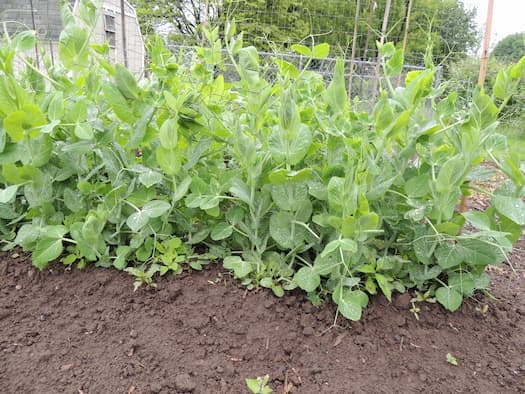
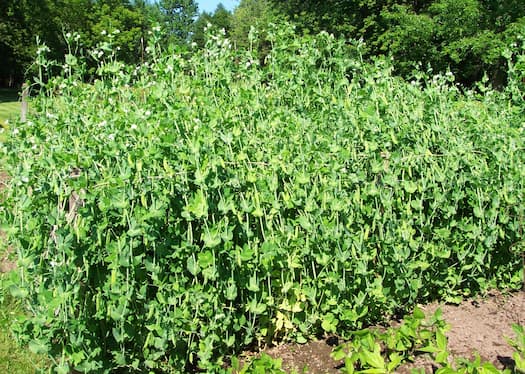
Peas are a vining plant. And, the stems are not too sturdy. Therefore, grow them on a fence. Tendrils on the vines allow the pant to firmly attach to the fencing for support.
Sweet Peas do not grow well in hot weather. However, fall crops will do well. Make sure to plant them with enough growing time to mature before heavy freezes.
Harvest as sweet peas, and edible-podded varieties, while young and tender. Sweet Peas lose their sweetness and become hard if left on the vine too long.
Seedlings are a popular food for birds. As the seedlings grow, birds will sometimes eat the tender tips. We recommend placing chicken wire or bird netting over the young seedlings.
Boring insects will sometimes enter the peapod. Occasional aphid infestations can also occur, but this is uncommon.
In wet weather, slugs will climb the vines and suck on the pods. Use snail and slug pellets. For organic control, make a beer trap. Put a little beer in a small can or bowl. Tuna cans work great. Bury the trap, up to the lip, in the garden soil. Snails and slugs will be attracted to it, fall in, and drown.
With the summer heat and humidity, come diseases that can befall these plants just before, or during the ripening of the crop. Fungicides can be used in areas of high heat and humidity. However, we recommend you find out whether it is a problem in your area first.
How to Grow Peas - Harvest Time
Days to Maturity: Ranges from 60 to 70 days, depending on the variety. Early varieties have fewer seeds in the pod, usually three to four. Later varieties may have 8 to 10 seeds per pod.
Pick the pods when they are plump. If the pods are allowed to become dry and brown, the peas will be hard and lose their sweetness.
Plant Hardiness
Garden snow peas are very “cold weather” hardy. Plant them early in the season. They will withstand frost, light freezes, and even snow cover. That’s why they are sometimes called “snow peas”. Plant them early enough so you can complete one crop by early July, and still have time for a fall crop in most areas.
The plants do not like heat. In hot weather the plant stunts or slows, it’s growth. Any peas that develop and mature are not as sweet.