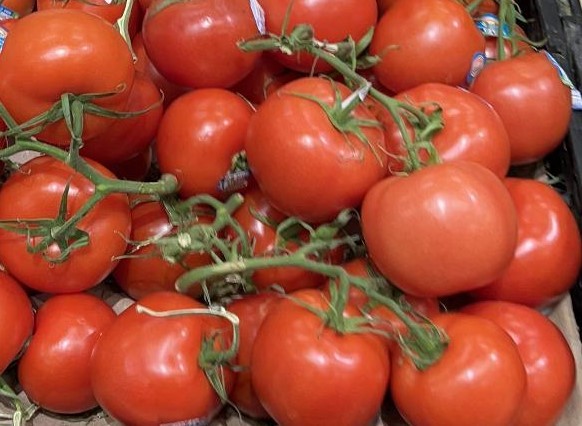
There is a lot that goes into certifying organically grown produce for the marketplace. The USDA’s Department of Agriculture has implemented a strict set of national guidelines. These are standards and rules that must be followed before food can be labeled USDA Certified Organic Produce. There are many rules and regulations, and strict enforcement. And, there are inspections, agency reviews, and certifications. At the end of the long process, the organically grown and handled foods are safe and clean for you and your family to eat and enjoy.
The organic label applies to vegetables, herbs, fruits, dairy products, eggs, and meats. We will focus on vegetables and herbs, often grown in the home garden. As a home gardener, you won’t seek tedious certification. But, you can replicate the process requirements to produce safe and healthy herbs and vegetables for you and your family.
For farmers seeking certification, contact the USDA, to learn what you need to do for certification.
Organic Produce's Path to Your Table
The path for organic produce begins with seeds used in organic gardening. Only certified organic seeds are allowed for use in growing produce destined for the marketplace.
Farmers must comply with all rules and regulations. The USDA has a National List of what can be used and not used in the growing process. Farmers must strictly follow all rules and regulations.
Even shippers, handlers, and grocery stores must follow rules and regulations established by the USDA, to assure that the vegetables and herbs you purchase are indeed organic in every way.
The effort by all involved is more intensive and tedious. It results in a somewhat higher price at the grocery store or market. But, the comfort and safety of eating organically, are well worth the extra cost.
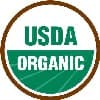
How Do I Know if the food is USDA certified organic produce was organically grown and raised? Simple! Just look for the USDA label on the packaging. Below is the USDA Certified Organic Label. It is affixed only to qualifying produce.