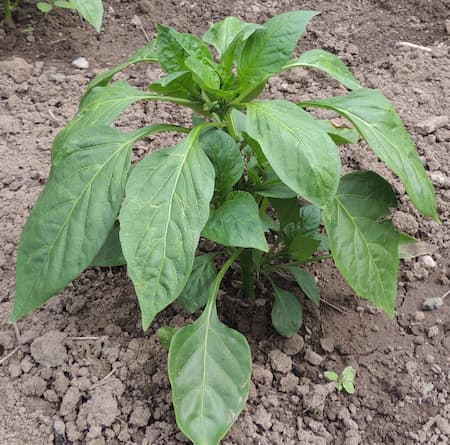
Bhut Jolokia peppers are one of the hottest peppers on the planet. They are also known as ghost peppers, because the heat level is so high, that if you eat it, you feel like you are going to die. Native to India and Sri Lanka, Bhut Jolokia peppers thrive in warm weather climates. And, they need a year or two to begin to produce peppers. Use this guide on “How to Grow Ghost Peppers” for a highly productive crop in your home vegetable garden.
Tipping the scale- Ghost peppers have been measured at 855,000 to 1,041,427 on the Scoville Scale for their “heat”.
Uses: Hot sauces, relishes, recipes fiery chicken wings, recipes calling for hot peppers, and even eaten raw! In all honesty, I wonder who could take the heat.
Nutritional Value
While most of us focus upon the “Heat” in hot peppers. But, they actually have nutritional value to you.
One cup of raw, sliced ghost peppers contains approximately:
26 calories
6 g carbs
0 cholesterol
0 g fat
3 g fiber
1 g protein
3 mg sodium
Ghost Pepper Plant Specifications
Days to Harvest: 90 to 120 days, depending upon variety and growing conditions.
Plant height: Six to eight feet tall, depending on the variety.
Deer Resistant? No. Deer eat the leaves of the plant. Yet, they do not eat the fruit.
Plant Type: Perennial.
Varieties of Peppers: Worldwide, there are many varieties. And, they are all super hot.
Native to: India
Botanical Nayme:Capsicum chinense
How to Grow Bhut Jolokia Peppers
Light Requirements
Peppers ae a warm weather crop that thrives in full sunlight. Grow it in a location where it will receive at least seven to eight hours of bright, direct sun. For optimal plant and fruit growth, select a planting location where it will receive full sun from sunrise to sunse
Planting and Soil Needs
Select a location in your garden that receives full sun. The plants thrive in rich, loam soil. But, with regular fertilizer applications, they grow well in average soils, too. Prepare the garden planting site, adding plenty of compost, manure, and a general fertilizer.
Ghost pepper seeds can be hard to start. Germination rates may be low. We recommend starting seeds indoors, with a heated germination mat.
Do not transplant seedlings outdoors until all danger of frost has passed, and the soil begins to warm. If the weather is still cool in your area, delay transplanting a few days, if possible. Tender, young seedlings do well in hot caps and cold frames.
Space 24 to 36 inches apart, in rows two to three feet apart. This spacing varies a little for each variety.
Light Requirement
Bhut Jolokia peppers ae a warm weather crop that thrives in full sunlight. Grow it in a location where it will receive at least seven to eight hours of bright, direct sun. For optimal plant and fruit growth, select a planting location where it will receive full sun from sunrise to sunset.
Fertilizer Needs
Ghost pepper plants need rich soil and lots of fertilizer.
Mix a high nitrogen fertilizer into the planting site before transplanting your young seedlings. Then, apply a high nitrogen fertilizer about four weeks later. Then switch to a monthly application of fertilizer high in potassium. This promotes flower blooms and growth of the fruit.
Gardeners often make the mistake of providing too much nitrogen. If you put too much nitrogen into the soil, the pepper plants produce a lot of bushy green foliage, at the expense of fewer fruit.
Water Needs
The plants grow best in moist soil during the entire growing season. However, avoid wet soil. Water regularly in the hot, dry summer months. To little water can stress the plants.
If the plants receive too much water as the fruit develops, the peppers will be less hot.
Other Steps
Keep the planting site well weeded all season long. Otherwise, the weeds will compete with the pepper plants for water and soil nutrients.
Add mulch around the plants to keep down weeds, and to retain moisture.
Tip: Peppers are self-pollinators. Occasionally, they cross-pollinate from pollen carried by bees or other insects. To minimize this possibility, don’t plant hot and sweet varieties too close together. This year’s cross will not affect the fruit of this year’s crop. However, the cross will show up in the genetics of the seeds if you save them.
Insects can be a problem, affecting Bhut Jolokia Peppers both plants and fruit. Spider mites and aphids are the most common, with an occasional insect borer. In many areas, it is infrequent.