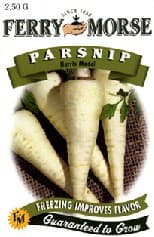
Parsnips may not be overly popular in today’s home gardens. But, this root crop has been grown in vegetable gardens for thousands of years. Parsnip is native to the Mediterranean and North Africa, where early Greeks and Romans grew parsnips. As you read this article on how to grow parsnips, we hope it incents you to buy some parsnip seeds and try them out in your home garden. Then, you’ll be like the Greek and Romana gods.
Parsnips are members of the carrot family. They a root crop, that looks like a carrot, only it grows much bigger and is white. The plants can reach 3 feet tall. The roots generally grow 12-15 inches. But, the largest ones, have grown to 32 inches and 10-18 inches in diameter. Now, that’s a big parsnip!
Did You Know? In Ireland, beer was made from parsnip roots, by boiling the roots with water and hops.
Botanical Name:Pastinaca Sativa
Nutritional Value
1 parsnip root contains approximately:
114 calories
27 g carbs
0 cholesterol
0.1 g fat
6 g fiber
2 g protein
394 mg sodium
Parsnip Plant Specifications
Days to Harvest: Approximately 130 days or more. The roots are slow growing.
Plant height: Two to three feet tall, depending upon variety.
Root Length: 6 to 15 inches long, depending upon variety and growing conditions.
Deer Resistant? Generally, yes. However, they will eat the leaves if other food is scarce.
Plant Type: Annual.
Native To: Eurasia.
Botanical Name:Pastinaca sativa
Planting Parsnip Seeds
Sow Parsnip seeds 1/2 inch deep. The big seeds are easy to handle and space.
Final spacing should be 6 – 82 inches apart, in rows two feet apart.
Sow seeds early in the spring. Plants take 4 months to reach harvest size.
Space plants one foot apart, in rows 2 to 2 1/2 feet apart.
How to Grow Parsley - Season Long Care
Light Requirement
Parsnips plants grow best, both above and below ground, when planted in a location where they receive at least six to eight hours of direct sunlight. In hotter climates, the plants benefit with partial shade from the hot afternoon sun.
Planting and Soil Needs
Grow plants in full sun, in soft and loose loam soil.
Before planting parsnip seeds, work the soil deeply. Add liberal amounts of compost. If compost is not available, add peat moss. But, do not use manure because it can put too much nitrogen into the soil It is important to remove any rocks, stones, and debris that may impede the downward formation of the roots. When a root hits an object, forked or misshapen roots will result.
Fertilizer Needs
The plants respond well to fertilizer applied before sowing parsnip seeds and a couple of times during the season. Use a general purpose fertilizer. Importantly, do not over fertilizer the plants. Too much nitrogen in the soil results in hairy (fine feeder roots) roots.
Water Needs
While they may not show it, parsnips need a good supply of water, in soil that drains well. Ideally, keep the soil moist, but not wet. Water once a week, especially during dry periods. Early in the season when the roots are still shallow, you do not need to water too deeply. Then, as the season progresses, water more deeply so the water reaches down all the way to the bottom of the roots.
Other Steps
Parsnips plants will not reach their full potential when overcrowded. So, thin the plants to the proper spacing indicated on the seed packet for the variety that you are growing.
Keep the plants well weeded early in the season. Young seedlings are easily overcrowded. The competing weeds will rob water and nutrients from the soil.
Harvest roots after they have been exposed to freezing temperatures. Cold weather improves flavor and sweetness, as the starches turn to sugars. Consequentially, parsnips taste better after the first freeze. Better still, wait for the first several days of at or near freezing weather
Do not grab the plant to pull out the roots. The plant will almost always break away from the roots. Rather, dig out roots with a shovel or pitchfork.
Parsnips are excellent for over-wintering in the soil. As a result, you should be able to harvest roots well into the spring. Cover the area with mulch or straw, to keep the ground from freezing.
Plant Hardiness
Parsnip plants are hardy. The plant should survive a light frost or freeze. They need a long growing season to allow the roots to grow to full size.
Did You Know? Before refrigerators, people stored parsnip roots in the ground. Straw or dead leaves are piled on the ground to insulate them and keep them from freezing. When you want some parsnips, just dig them up out of the garden