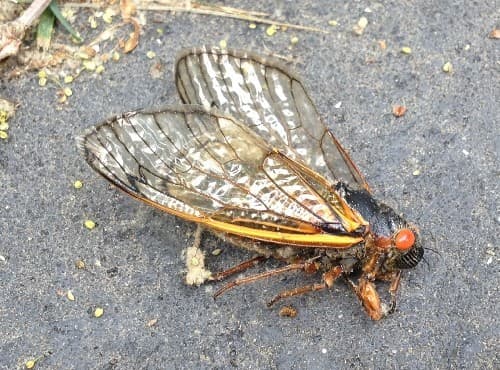
Like it or not, insects dominate the earth. Garden Insect Pests and insects in general, number in the billions upon billions. Insects are found virtually everywhere on the planet. The species number in the tens of thousands, or more. Fortunately for us gardeners, any one area has a minute subset of these insect species. If you are an organic gardener, you learn natural garden insect control methods and a bit of semi-peaceful co-existence. To those who can’t stand bugs, and commercial growers who depend on a good crop for a livelihood, there are effective chemical controls for most common insect pests.
Did You Know? Some insects are beneficial and eat harmful insects. Good examples are Preying Mantis and Ladybugs. Both of these insects love to munch on aphids.
Before you go ahead with your plan to apply a general-purpose insecticide and annihilate the insect population in your garden, make sure you know what you are doing. Insecticides do not discriminate. Most insecticides will eliminate bees and beneficial insects, along with the ones are trying to eradicate. Some are harmful to valuable garden earthworms. You could wipe out the bees you need for proper pollination. Did you know that many of the insects you are eliminating are also pollinators? If you wipe out the bees and you wipe out the insects, pollination will be poor or non-existent.
We recommend the following steps to an effective insect control program while maximizing pollination:
Follow the directions on the label. Don’t apply more frequently or heavier than recommended.
Spray in the early morning or just before dark when the bees are not out.
Stop spraying a week or two before the pollination period, and while pollination is at its peak.
Did you Know? You can hand pollinate many plants. This increases the fruit and vegetable set when pollinators are at a minimum. Learn about hand pollination.
Caution: Always, always follow safety directions on the label. And, keep young children away during and after spraying.
Beneficial Insects
While many people think every insect is a pest. There are many beneficial insects in your garden, that consume harmful insects. This is a natural garden insect pest control. We all know that a ladybug brings good luck. To a gardener, this is doubly true. Lady Bugs eat aphids and lots of ’em. Many other beneficial bugs are eating the bad bugs.
For more information, see:
Beneficial Insects Identifies and describes insects that are good for your garden.
Also, some animals help to keep down the insect population. Among them are snakes, frogs and toads, and a variety of birds, most notably the Purple Martin and bats!
Did you know? Some people create habitats for bats in a very successful endeavor to keep down the insect population.
Additional Resources
Organic Insect Control Why expose yourself and your family to harmful chemicals in your garden and yard?
Slug and Snails – not an insect, but certainly a garden pest.
Did you know? There are more insects in the world than all other creatures combined! There are trillions of them.