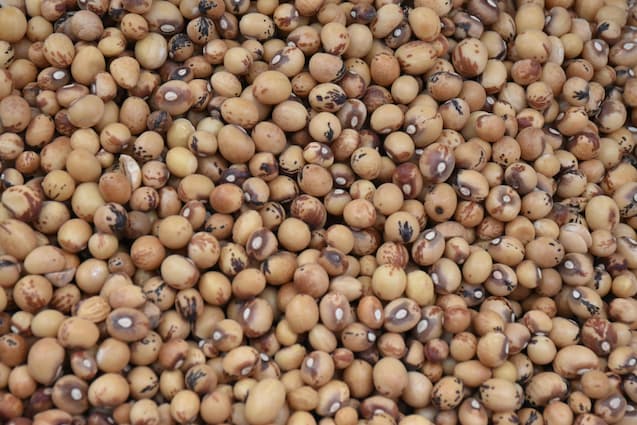
Growing soybeans has become increasingly popular with home gardeners. These warm-weather plants are native to Africa, Asia, and Australia. Soybean seeds are gaining popularity here, due to their health benefits.
Soybean seeds are high in fiber, protein, and nutrition. Soybeans are rich in vitamins A, B1, B2, and C, and contain high levels of Calcium and Iron. Perhaps best of all, they taste good, too.
Home gardeners find it is easy to grow soybeans. Soybean plants are grown just like any other bush bean and produce high yields.
Nutritional Value
1100 grams of soybeans contains approximately:
172 calories
9 g carbs
no cholesterol
9 g fat
6 g fiber
18 g protein
1 mg sodium
Important Note: Soybeans help to lower cholesterol.
Soybean Plant Specifications
Days to Harvest: 90 to 150 days, depending upon variety and growing conditions.
Deer Resistant? Yes and no. Some varieties are more deer-resistant than others.
Plant Type: Annual.
Native To: East Asia.
Botanical Name:Glycine max
Planting Soybean Seeds
Plant the seeds outdoors after the last frost date for your area. Soil should be warm before planting.
Sow Soybean seeds 2 inches apart, in rows 20″ to 24″ apart. If your garden space is limited, plant the seeds in double rows. Water well after planting, and a second time two to four days later, only if there has been no rain.
How to Grow Soybeans
Planting and Soil Needs
Plant soybeans in an area of your garden where they will receive at least six to eight hours of bright, direct sunlight. For optimal growth and production of beans, provide them with full sunlight from sunrise to sunset.
Add manure and compost before planting.
Light Requirement
Plant soybeans in an area of your garden where they will receive at least six to eight hours of bright, direct sunlight. For optimal growth and production of beans, provide the plants with full sunlight from sunrise to sunset.
Fertilizer Needs
Side dress the rows with general-purpose fertilizer during planting. Then, apply additional fertilizer every three to four weeks during the season.
Water Needs
For optimal results, keep the soil moist, but not wet, all season long. Do not grow them in low areas where the soil remains moist for extended periods. Otherwise, the roots will rot and the weakened plant is more susceptible to disease.
Other Steps
Thin young seedlings two to three inches apart.
Weeds will compete for water and soil nutrients. Additionally, weeds will shade the plants while the rutabaga plants are still young. Thus, keep the area well-weeded.
Mulching around the plants will help to keep weeds down and retains soil moisture.
Did you know? Soybean plants are rich in nutrients. After the harvest put plants into the compost pile, or turn them into your soil.
Thin seedlings to the proper distance, as noted on the seed packet. If there are no directions, space plants three inches apart in rows three feet apart.
Like other beans, soybeans are susceptible to a variety of insects, most notably beetles. They can be treated with Sevin and many organic repellents.
Rabbits eat the tender new leaves. If there are rabbits in your area, a rabbit fence is not a nicety, it is a necessity. They will devastate a row of beans in a hurry, eating the tender new leaves. As new ones develop, they will come back for more.
Plant Disease
Bacterial and wilt diseases are common among the Bean family. This plant disease arrives with summer heat and humidity. This often occurs just before, or during, the ripening of the crop. Fungicides are recommended in areas of high heat and humidity.
Plant Problems – Diagnosis, causes, and cures for many common plant problems.
How to Grow Soybeans - Harvest Time
Days to Maturity: Soybean plants require 90 or more days to harvest.
Harvest the beans when the pods are full.
Try succession planting, for continuous harvest over several weeks.
Plant Hardiness
Soybeans are not a hardy plant. They are susceptible to cold and frost. Hold off planting until a few days before all danger of frost is past. In the fall, cover the crop on nights when the temperature is expected to go below 40 degrees.
Cooking Soybeans
The beans are edible. The pods are not edible.
First, boil the beans in lightly salted water for 4-5 minutes to blanch, or 20 minutes to fully cook. Then, discard the pods after removing the beans. The beans can be frozen after blanching, then heated in the microwave later, for a quick, nutritious snack. Also, the beans can be frozen or canned.
If you’re growing healthy soybeans, then you’ll enjoy making your own soy milk and tofu.