How to Grow Pak Choi Chinese Cabbage in Your Garden
Are you looking for something new to grow in your vegetable garden this year? You won’t be disappointed if you choose Pak Choi. It tastes good and is easy to grow. So, review this “How to Grow Pak Choi ” guide, Then, add it to this year’s garden plan. You’ll be glad you did!
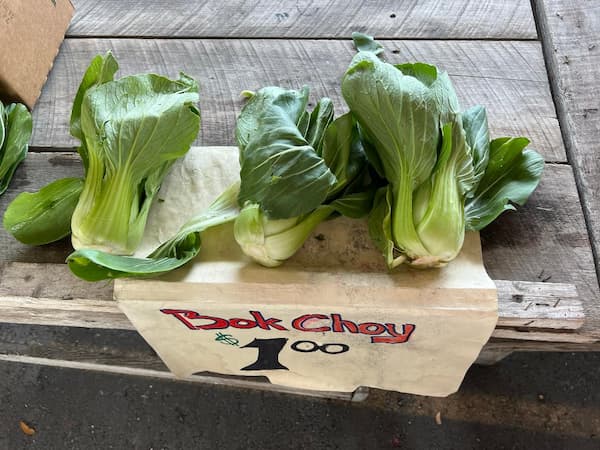
Pak Choi is a leaf-type Chinese cabbage, with a crisp texture and sweet flavor. Native to Hong Kong and southern China, it is closely related to Bok Choy.
It is an easy to grow, quick-growing, cool weather crop, and a compact plant with uniform growth. It produces a loose-leaf bulbous plant, with white midribs.
Nutritional Value
Like most other vegetables, consumption Pak Choi is good for your health. Therefore, add this healthy cool-weather crop to your diet.
100 grams or 3.5 ounces contains approximately:
13 calories
2.2 g carbs
0.2 g fat
1.0 fiber
1.5 g protein
Pak Choi Plant Specifications
Days to Harvest: 45 – 70 days or less.
Plant height: 6 to 24 inches tall, depending upon variety.
Deer Resistant? Generally, yes. However, they will eat it if other food is sparse.
Plant Type: Annual
Native To: China, where it has been cultivated for thousands of years.
Botanical Name: Brassica rapa subsp. chinensis
Other Names: Chinese cabbage, Pak Choy, Bok Choy
How to Grow Pak Choi - Plant Propagation
Pak Choi is grown from seeds. Directly sow seeds into your garden, early in the spring. You can make successive plantings for spring and fall crops. Sow seeds, and cover with 1/4″ of fine garden soil.
Seeds germinate in 7- 10 days.
How to Grow Pak Choi Plants
Light Requirements
Like other members of the Brassica family, Pak Choi is a cool-weather plant. It is a heat-sensitive. The plant grows best in full sun in cooler areas of the country. However, during mid-summer heat and humidity, grow them in partial shade, especially in the middle of the day when the sun is the hottest. In hotter regions of the country, grow the plants in light sun to partial shade.
Planting and Soil Needs
Pak Choi plants thrive in cool weather. Spring and fall crops are best, leaving the summer months to the hot weather crops. Plants prefer full sun, and rich, loose garden soil.
A second crop can be started in mid to late summer. Time fall crops to mature near or slightly after the first expected frost date in your area.
For more information see:
Succession planting, spring, and fall will produce continuous harvests during cool weather seasons.
Fertilizer Needs
Fuel fast growth with an early application of a fertilizer high in Nitrogen. Then, apply a second high nitrogen fertilizer three to four weeks later.
Water Needs
Keep the soil moist, not wet during the entire growing season right up to harvest.
Other Steps
Weeds will compete for nutrients and soil moisture. As a result, weed planting site on a regular basis,, especially when young.
Mulching around the plants serves three purposes. First, it helps to keep weeds down. Second, it aids in retention of soil moisture. Lastly, it helps to keep the soil cooler as warm weather arrives.
Thin plants to avoid overcrowding. Thin plants to 12″ – 18″ apart.
Plants will bolt quickly, going to seed in hot, weather, or if under stress.
Insects can be a problem. Because this is a leaf crop, avoid using chemical insecticides. Use garlic sprays or organic repellents, only if problems arise
How to Grow Pak Choi - Plant Disease
The plant is susceptible to rotting during hot and humid weather.
To minimize plant disease, do not plant in an area where other members of the cabbage family have been grown in the past two years.
Harvest Time
Days to Maturity: 30-45 days.
As a loose-leaf cabbage, Pak Choi can be harvested as soon as the leaves reach a size large enough to use. Pick outer leaves, as needed. Or, harvest the entire plant at maturity.
Garden Tip: The center stalk can also be harvested, to help force growth to the outer leaves.
Plant Hardiness
Members of the cabbage family, including Pak Choi, prefer cool, and even cold weather. They are among the last garden plants in the fall. The plants can survive freezes, below thirty degrees.