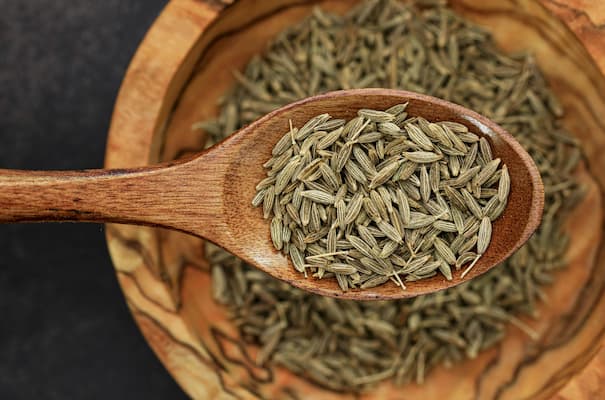
Cumin herbs, or Comino, are not that well known in the United States. Few U.S. home gardeners grow it in their herb gardens. So, it may surprise you to learn, that Cumin is the second most popular spice in the world! I betcha this fact alone, makes you resolve to start growing Cumin plants in your herb garden.
Cumin plants are annuals. They are native to the Mediterranean, Northern Africa, and from the Middle East to India. They are warm-weather plants and do not grow well below 60 degrees. Light frosts kill the plant. It has been grown and used since ancient times. The earliest uses originate in the Nile Valley in Ancient Egypt. It is popular in countless cuisines and is an important ingredient in Indian curry.
Cumin plants belong to the Parsley family. They grow tall and have thin, slender dark green leaves. Cumin is grown for its seeds, which are preceded by pink or white flowers.
Did You Know: Cumin has been around for a long time. It is even mentioned in the Bible.
Cumin has a nutty, peppery, pungent flavor with a rich aroma and high oil content.
Today’s Quiz: If Cumin is the second most popular spice in the world, what is the most popular spice???? See the answer below……….
Medicinal and Culinary Uses
Medicinal Uses:
Cumin has been used to aid in digestion, and for stomach ailments.
An ancient legend states that Cumin will keep lovers from straying!!!
Culinary Uses:
Cumin seeds are used ground or whole.
Cumin is popular in a wide variety of Mediterranean, Middle East, Indian and Mexican cuisines. It is used in everything from meats, potatoes, and vegetables, to couscous and Enchiladas.
Cumin is an important ingredient in Indian Curry, Kabobs, and soups and stews. It is also used in some teas.
Nutritional Value
1 teaspoon ground Cumin contains approximately:
8 calories
0.9 g carbs
0.9 g cholesterol
0.5 g fat
0.2 g fiber
0.4 g protein
Cumin Plant Growing Specifications
Flower Colors: Rose, white.
Days to Harvest: 100 to 150 days.
Plant Height: One to two feet tall.
Light Needs: Full sunlight to partial shade in hotter regions.
Nighttime: 60° F minimum. Frost will kill the plant
Plant Type: Annual.
Deer Resistant? Yes. Deer, rabbits, and other pests do not like the strong minty scent.
Native To: The Mediterranean, Northern Africa, and from the Middle East to India.
Botanical Name:Cuminum Cyminum
Other Names: Comino
Cumin Plant Propagation
Cumin is grown from seed. Directly sow Cumin seeds into your garden as early in the season, after the last frost in your area.
Cumin takes 100-150 days to harvest. In more northerly areas, start seeds indoors, and transplant them after the last frost date.
Plan on growing many plants. It takes a lot of plants to produce the seeds you will need.
Cumin actually benefits from a little crowding. The plants help support each other, keeping the plant from bending over and touching the ground. Grow these plants in groups or clumps.
Final Plant Spacing: Space seedlings, or thin plants 4 to 8 inches apart in rows 16 to 18 inches apart.
Days to Germination: 7 – 14 days.
Planting Depth: 1/4 Inch.
How to Grow Cumin Herb Plants
Planting and Soil Needs
Cumin are warm weather plants. Because of the long growing period, it is usually grown in warmer, more southerly areas of the country. However, you can grow it in northern areas, with the aid of an early, indoor start.
Plants grow best in average, well-draining soils. As a result, it does not require a lot of added fertilizer. As a matter of fact, you can likely grow a highly productive crop without any additional fertilizer applications during the long growing season.
They grow best in hot weather and even do well in damp conditions.
Light Requirement
Select a location in your garden where your Cumin plants will receive at least seven to eight hours of bright, direct sun. For optimal growth, grow them in a location where they will receive full sunlight from sunrise to sunset.
The plants are tolerant of light, partial shade. In hotter regions, select a growing location that has partial sunlight or light shade during the midafternoon to protect it from damage by the hot rays of the sun.
With reduced sunlight, the plants grow slower and smaller, producing fewer flowers and seeds.
Fertilizer Needs
In rich soils, you may not need any extra fertilizer at all. In average or poor soil, apply a balanced general-purpose fertilizer every four to six weeks during the season.
Hold the Nitrogen… High nitrogen soils result in less fragrant, or aromatic seeds. This do not use a high nitrogen fertilizer.
Water Needs
The plants are somewhat tolerant of droughts and dry weather. Water frequently in dry weather. Then, allow the soil to dry out between waterings. While the plants like lots of water, they do not like to get their feet wet.
Other Steps
Weeds rob valuable water and soil nutrients. Therefore, keep young Cumin plants well-weeded. Then, after they have grown several inches, apply a layer of mulch. This helps to retain soil moisture and gives the plant a neat and tidy appearance.
Prune away dead, damaged, or diseased leaves or stems. Otherwise, simply let the plants grow.
Plants are susceptible to frost in both spring and fall.
Insect, Animal Pests, and Plant Disease Problems
Aphids and nematodes can be an occasional problem.
Watch for the seed pods to turn brown and dry. When this happens, the pods open up and spill their seeds onto the ground.
Often, the pods will not turn dry all at once. The trick is to harvest the pods when the first ones are about to spill their seeds.
After harvesting the plants, hang them up in a dry place, to allow them to completely dry.
To harvest the seeds, tie the plants together and place them in a bag. Beat the bag to open the pods, releasing the seeds. Then, sift the captured seeds outdoors during a light breeze, to remove the chafe.
Money Saving Garden Tip: Don’t forget to save some of the seeds for next yeaer’s crop.
Store seeds in an air-tight container.
Answer to Today's Quiz:
Cumin is the second most popular spice. The most popular spice in the world is……….. Black Pepper
Related Articles
Also, people who liked this article will also like: