How to Grow Chives Herb Plants

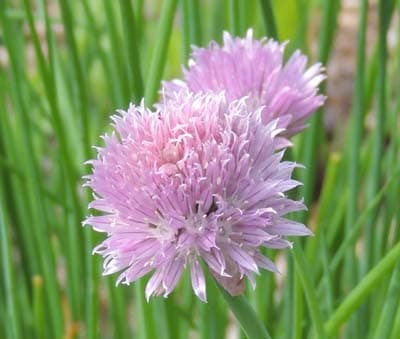
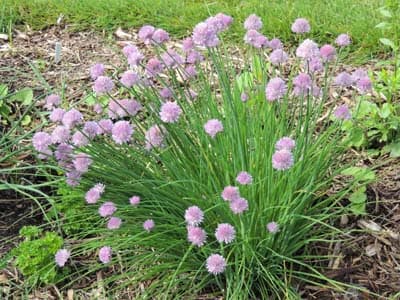
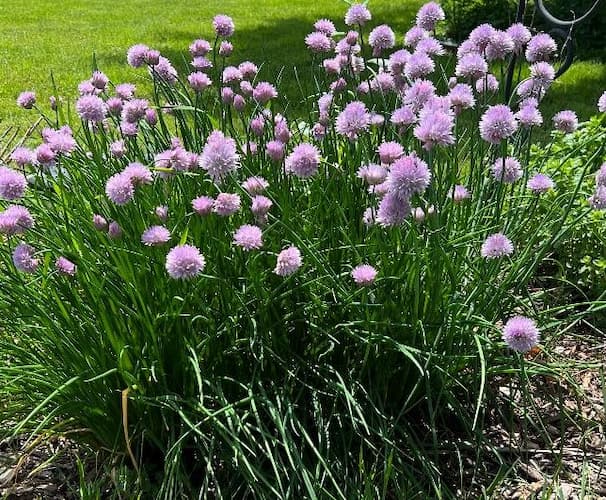
Chives Flowering

About Growing Chive Plant in Your Herb Garden

Without a doubt, Chive plants are the absolute easiest herb to grow. This herb might be the easiest plant to grow, period. Indoors or outdoors, chives, or allium, are a gardeners’ favorite. They propagate and spread easily. Once you plant this perennial herb, you’ve got them growing forever!

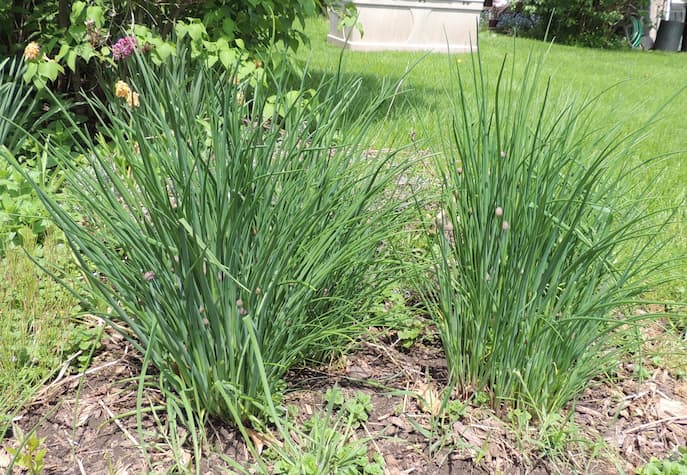
Chives are native to cooler regions of Asia, Europe, and North America. Folks in these areas of the world could not keep this wonderful herb a secret. As a result, they are commonly grown by millions of home gardeners all over the world. They are a member of the onion family. Chive herb plants have narrow, tubular leaves that are delicious snipped fresh into any dish where onions are used. If you let them grow, they will produce pretty, round blooms. Hence, it is right at home in a flower garden. The hardy plants need little care outdoors, and just a little love indoors.

While there are several varieties, two are most common in the United States.  The first and most popular is “Common Chives”. It has a mild, onion-like flavor. The other is “Garlic Chives” which have a slightly stronger garlic flavor.

Most varieties grow just 6-10 inches. Therefore, they are perfect in window boxes or patio containers. Its cousin, Garlic Chives, grows a little bigger, about 12 to 40 inches, and has a white flower.

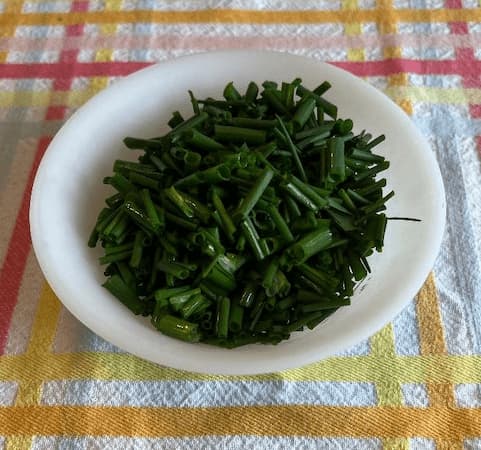
This herb shines in the kitchen. Use them in salads, soups (they are great in tomato or potato soups are great!), in tuna fish, baked potatoes with sour cream, cream cheese (on bagels), Mexican dishes, and wherever you would use onions. Also, from a health perspective, they are high in vitamin C.

Furthermore, they are a great, edible houseplant. If you grow them all winter in a sunny window, then you can harvest them as needed.

Varieties of Chives Allium

There are several varieties of Chives. They include:

  • Chinese Chive
  • Common Chive – It’s by far the most popular in the United States.
  • Garlic Chive
  • Giant Siberian Chive
  • Hooker Chive – Originating in India.

Nutritional Value

While chives are flavorful, you have to eat a lot of them to get any significant nutritional value from them. 3 grams of raw chives contain approximately:

  • 1 calorie
  • <1 g carbs
  • 0 cholesterol
  • 8.7 g fat
  • 1 g fiber
  • <1 g protein
  • <1 mg sodium

Chives Allium Growing Specifications

Flower Colors: Blue, lavender, and white. 

Days to Harvest: 30 days from sowing seeds. 60 days from transplanting into the garden.

Plant Height: 12 to 24 inches tall. 

Light Needs:  Full sunlight. Partial shade in hot regions.

Ideal Soil pH: 6.0– 7.5.

Plant Hardiness Zones: 3 – 9

Ideal Growing Temperatures

  • Daytime: 60 to 75° F.
  • Nighttime: 32° F minimum.

Plant Type: Perennial.

Number of Varieties: several.

Deer Resistant? Yes. Deer, rabbits, and other foraging pests do not like the strong scent and taste.

Native To: Asia, Europe, and North America.

Botanical Name: Allium

How to Grow Chives Allium

Chive Plant Propagation

Grow Chives from seed. Try starting Chive plants indoors at least six weeks before you want to set them out. Start the seeds in the winter, and you get to enjoy your first cutting long before you set them out into the garden.

You can also sow the seeds directly into your garden.

Once your chives are well established, they can be separated by division.

Days to Germination: 10 – 14 days.

Initial Plant Spacing: Plant chives six inches apart. They quickly spread and fill in the gaps. The plants do not mind overcrowding.

How to Grow Chive Ornamental Allium Flower Plants. Gardening

How to Grow Chive Herb Plants

Planting and Sol Needs

Chives are a cool-weather plant. They prefer full sun, but tolerate a fair amount of shade. Almost any soil will do. It is best if the soil is well-drained. Chive allium herbs do well in average soils and tolerate dry soil conditions. Water them during dry periods, if they start to wilt. 

The plants are quite tolerant of crowding. Yet, it is good to dig them up and divide the clumps every few years.

Light Requirement

In cooler areas of the country, grow chive plants in full sunlight. Provide them with six to eight hours of bright, direct sunlight. They grow best where they receive partial shade from the hot rays of the afternoon sun in midsummer.

In warmer regions, grow them in light, partial shade. 

Fertilizer Needs

In rich or average soil, you do not need to add fertilizer. But the plants will grow even better by applying a balanced, general-purpose fertilizer once or twice during the season.

For indoor plants, or if you grow them in a container on your patio or deck, use a liquid fertilizer every three to four weeks. Fertilizer spikes work well, too.

Water Needs

Water as needed. The goal is to keep the soil moist but not wet during the entire growing season.

Try to water directly to the plant’s roots, and keep the blades dry. Do not water late in the day. Water on the leaves and hot, humid weather is the perfect combination for mold and powdery mildew.

Other Steps

First, keep the area well-weeded. Otherwise, weeks will compete for nutrients and soil moisture. Additionally, if weeds grow among the chives, you will harvest weeds along with blades of chives. Then, you need to handpick the weeds out.

When the plant begins to flower, the stem becomes hard. Thus, keep them cut back on a regular basis. 

Chives are a hardy, cool-weather plant. They overwinter without requiring any extra care. In the spring, they will be among the first crops.

Tip: Grow Chives in a flower bed next to the back door. These hardy perennials can still be harvested long after frost, and very early in spring.

Insects, Pests, and Plant Disease

Insects usually leave chives alone. And foraging animals leave them alone, too. They do not like the taste and strong scent.

Chives can suffer from molds and powdery mildew. Hot and humid weather is the cause. In hot midsummer, keep the plants cut back short. Then, as soon as the weather begins to cool, let them grow again in the Fall.

Harvesting Chives

Harvest Chives, as needed. We recommend cutting the plants back if they reach six to eight inches tall, as mature stems get woody. Cutting back plants promotes tender, new growth.

Like other herbs, Chives can be frozen or dried for long-term storage. How to Dry Herbs

how to grow Allium Plants

How to Grow Chives in Containers on Your Patio or Deck

Chive plants are great candidates to grow in containers on your patio or deck. You can also grow them in window boxes.

In addition to the “How to Grow Chives” steps above, here are a few additional steps for growing them in containers: 

  • These herbs tolerate overcrowding. So, grow them in containers closer than the normal recommended spacing.
  • Select a sunny location on your patio or deck. 
  • Deck and patios often get hotter than in your herb garden. Hence, in hotter weather, you can move the planter into shade in the afternoon.
  • It is important to have a drain hole in the container to allow excess water to drain from the pot. 
  • The plant grows best in evenly moist soil. Keep an eye on the moisture level. Check the plants every few days, especially in extended periods of hot, dry weather.
  • When watering the plants, thoroughly wet the soil. Excess water will drain through the hole in the bottom of the flowerpot.
  • Nutrients in a container are limited. So, use fertilizer spikes to feed the plants. Or, apply a light solution of liquid fertilizer once every three to four weeks. 

How to Grow Chive Allium Indoors

When the weather gets cold in the Fall, transplant chives into an indoor pot or container, about six weeks before the first frost. Or, start new plants in containers.

Bring the plants indoors and keep them in a sunny window.

Keep soil moist.

Add a liquid fertilizer once a month. Or, use indoor fertilizer spikes.

Now that you are growing them indoors, you can harvest them all winter long.

Allium

Growing Chives Allium - Additional Resources

Additionally, people who like this article will also like:

How to Dry Herbs

Growing Chives in the Herb Garden – by Garden Hobbies

Garden Recipes – Hundreds of garden recipes to use your fresh home garden vegetables and herbs.

Subscribe To Our Newsletter

    Please support our site. Shop for:

    Scroll to top