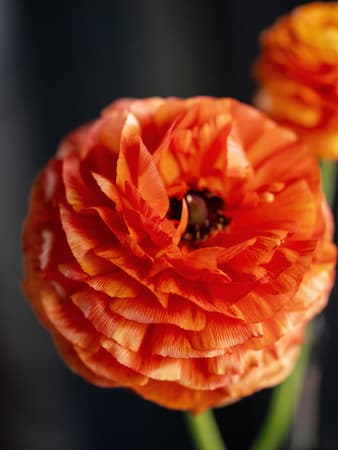
About Growing Ranunculus Flowers in Your Home Flower Garden
If you are looking for an easy-to-grow flowering plant that produces a wide variety of bright and cheerful blooms, grow Ranunculus plants. If you are looking for variety, then you can choose among over 1,600 species of this pretty bloomer. The plants begin to produce blooms in late spring to early summer and continues to blossom well into summer.
Ranunculus flowers have layered flowers that are soft and delicate. The flowers of some species can reach four to five inches apart. The flowers grow on sturdy stems. The fragrant flowers attract bees and other pollinators. These pretty flowers are common in floral arrangements.
Did You Know? Ranunculus flowers symbolize charm and attractiveness. In Persian culture, they represent love and romance.
Ranunculus Flower Plant Specifications
Flower Colors: Orange, pink, purple, red, white, and yellow.
Toxic Plant?: Yes. It is toxic to humans and pets.
Deer Resistant? Yes. Deer and other foraging animals do not like the bitter taste.
Number of Species: There are an amazing 1,600 to 1,700 species.
Plant Type: Annuals and perennials.
Native To: Asia, Europe, and North America.
Botanical Name:Ranunculus
Other Names: Buttercup. Butter Cress
Are Ranunculus Flowers Edible?
No! All parts of this plant are toxic to humans and pets.
The plant contains a toxin that can cause diarrhea, mouth irritation, and vomiting. Thus, keep young children and pets away from Ranunculus plants.
Medicinal Uses for Ranunculus Flowers
Despite the plant’s toxicity, it is used in traditional medicine. Here are some of the uses:
Use it as an anti-inflammatory.
It is used for some skin-related issues.
It has anti-microbial properties.
Important: Due to its toxicity, do not use this plant to make home remedies.
Light Requirements
Plant Ranunculus in an area of your flower garden that receives full sun for at least six to eight hours a day. The plants will grow in light, partial shade. However, an increased amount of shade negatively affects the plant’s vigor and health. As a result of less sunlight, the flowers grow fewer and smaller.
Ranunculus Flower Plant Propagation
Ranunculus plants are grown from corms or seeds. Corms are the most popular for home gardeners.
Plant the corms in the spring, no earlier than a week or two before the last frost date in your area. Soak the corms in water for two to four hours prior to planting.
You can also give the plants an early start by planting the corms in a seed tray four to five weeks before the last frost date in your area.
Bulb Planting Depth: Plant the corms 2 to 3 inches deep with the root side down.
Final Plant Spacing: 4 to 6 inches apart. They tolerate a little crowding. However, plants and flowers are smaller when overcrowded.
How to Grow Ranunculus Flowers
Plant Location and Soil Needs:
Ranunculus flowers grow best in cool weather. The plants prefer light, rich, and loamy soil. The soil needs to be well-draining, because the corms can rot in extended periods of soggy soil. In low areas, slightly elevate the planting site.
Ranunculus flowers look their best in groups. Place them in the middle or front of the flower garden. Dig holes about 4 to 6 inches deep and mix compost into the hole.
Add bulb fertilizer or bone meal into the holes as directed on the fertilizer package.
Next, cover the corms with soil.
Water the planting site. Then, keep the soil moist.
The plants sprout two to four weeks after planting the corms. Soil temperature and moisture levels affect sprouting time.
Fertilizer Needs:
Fertilize plants every two to three weeks with a general-purpose fertilizer. For indoor plants, apply liquid fertilizer or plant spikes.
Water Needs:
Keep the soil moist, but not wet. Ranunculus plants do not like soggy soils. It leads to root rot.
Water as needed, especially in hot, dry weather. Then, allow the soil to slightly dry between waterings. But, do not let the soil completely dry out between watering.
Other Steps:
Keep the garden well-weeded, especially when the plants are young.
Deadhead the flower after it dies. This helps to maintain a neat and tidy appearance. Deadheading the spent blooms will encourage more flower buds. Otherwise, the plant will shift its attention to reproduction and produce seeds.
Usually, no pruning is needed. However, remove any dead or damaged leaves.
Apply a thick layer of mulch to keep the weeds down and to retain soil moisture. Also, as the mulch breaks down, it feeds the plant.
Insects and Plant Disease
Aphids may attack the plant. Use an insecticide as needed.
Plant disease is uncommon.
Squirrels, chipmunks, and other rodents may dig up the corms. They do not eat the plant. Use repellents, as needed.
Growing Ranunculus Plants in Containers and Flowerpots
Ranunculus plants are excellent candidates to grow in a flowerpot on your balcony or deck.
In addition to the how-to grow steps above, here are a few additional steps for growing them in containers:
Ranunculus flowers tolerate a little overcrowding. So, you can grow them in containers a little closer than the normal recommended spacing. While the flowers may be a little smaller, they looked great blooming close together in the flowerpot.
Select a sunny or lightly shaded location on your patio or deck.
Deck and patios often get hotter than in your flower garden. In hotter weather, you can move the planter into light shade in the afternoon.
It is important to have a drain hole in the container to allow excess water to drain from the pot.
The plant grows best in evenly moist soil. Keep an eye on the moisture level. Check the plants every few days, especially in extended periods of hot, dry weather.
When watering the plants, thoroughly wet the soil. Excess water will drain through the hole in the bottom of the flowerpot. Then, let the soil dry lightly before watering again.
Nutrients in a flowerpot are limited. So, use fertilizer spikes to feed the plants. Or, apply a light solution of liquid fertilizer once a month.
Garden Tip: Ranunculus plants do not like to be rootbound. When growing in containers, re-pot as needed.
Overwintering Ranunculus Flower Plants
Ranunculus plants and corms are not winter hardy. They overwinter in the garden only in the warmest regions of the country.
After the first frost in Autumn, the plants will blacken and die. Cut the dead plant at the ground. Then, lift the corms out of the ground. Store them over the winter in a cool, dry place out of light.
Tip: If you are planning a color-coordinated design for your flower garden, sort corms by color before putting them away. Of course, that means you need to know what colors you planted and where.