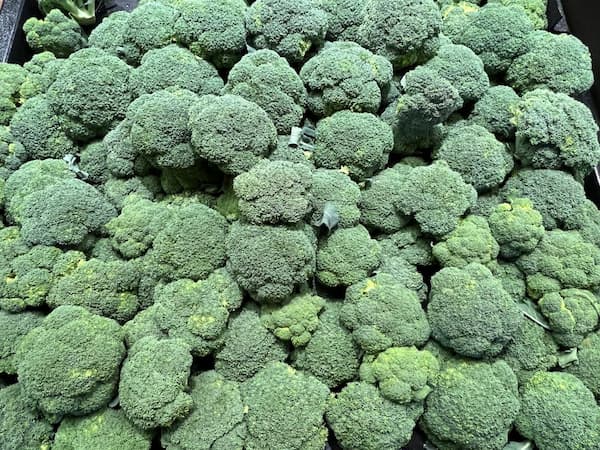
Broccoli is a tasty and nutritious cool-weather crop. It is very popular in home gardens. Broccoli plants are a member of the mustard family and was originally cultivated from wild cabbage. Like other members of the mustard family, broccoli has a strong, distinct flavor. If you’ve never grown broccoli before, our “How to Grow Broccoli” guide will help you to have a great first crop.
Medical studies show that the Broccoli plant is beneficial to your health. The studies suggest that they help to guard against cancer, especially colon and rectal cancers.
In addition to all of the other benefits of Broccoli, it is low in calories.
Did you Know? One U.S. President openly proclaimed his distaste for Broccoli. While he made a seemingly innocent statement of his food preferences, it created quite a stir. Who is the President? If you guessed George Bush (the first George), you are correct.
Broccoli Plant Specifications
Days to Maturity: 80-90 from planting seeds in the garden. Also, you can start seeds indoors for an early start to harvest time.
Plant height: 18 to 30 inches tall, depending upon variety.
Light Needs: Full sunlight.
Ideal Soil pH: 6.0 – 7.0
Plant Hardiness Zones: 2 – 11
Deer Resistant? Generally, yes. However, they will eat it if other food sources are scarce.
Plant Type: Annuals and biennials. Note: Biennials are often grown as an annual.
Native To: Asia and the Mediterranean region.
Botanical Name:Brassica oleracea var. italica
Nutrition Facts
Raw or cooked, the consumption of broccoli has many health benefits.
Here’s the approximate nutritional content of one cup of raw broccoli
35 calories
5.6 g carbs
0 cholesterol
0.3 g fat
2.2 fiber
2.3 g protein
Note: Broccoli has about 90% water content.
Light Requirements
Broccoli plants grow their best in full sunlight. Provide the plants with at least six to eight hours of full, direct sun.
However, in hotter regions of the country, the plants benefit with shade during the middle of the day when the sun is the hottest.
Days to Maturity
Plants form a large head in about 80 – 90 days. Of course, different varieties have slightly different days to maturity. Then, after picking the primary head, most varieties produce secondary shoots with much smaller heads all season long.
Broccoli is a great candidate for a fall crop Moreover, Broccoli is a hardy plant. It can be harvested well after the first frost in the fall. Additionally, the flavor improves after a frost.
Note: The plants are almost dormant, growing ever so slowly in extreme heat. Then, growth speeds up as cooler Fall weather approaches.
How to Grow Broccoli
Broccoli is a cool-weather crop. The plants prefer full sun and rich garden soil. It grows best in the spring and fall. Fall crops will survive long after the first frost, and even after the first snowfall. And, the flavor is best in cool and cold weather.
Sow Broccoli seeds as early as the ground can be worked. We recommend an early indoor start 3-4 weeks before the last frost. As soon as the garden is ready for planting, transplant seedlings. Furthermore, spring frosts will not affect them.
When growing broccoli, keep the soil moist during the growing season. Fertilize with a general-purpose fertilizer every 3-4 weeks.
Harvest compact heads before they begin to flower. As soon as the first floret begins to open, broccoli loses its sweet flavor and becomes bitter. Harvest side shoots in the same manner.
Broccoli grows slowly in hot weather. And very few heads form during hot weather. As a result, most home gardeners avoid growing broccoli during the hot humid months of summer. Once the weather cools in the fall, the plants produce smaller florets more vigorously.
Broccoli is extremely susceptible to insects. The most common insect problems are aphids and cabbage loopers.
Cabbage loopers are the larva stage of a moth. Those white moths that visit your garden and yard are the culprits. Some people call them white butterflies. Try placing a screen or insect netting over the plant, so the moth cannot lay her eggs. Commercial growers apply insecticides to control them. However, home gardeners usually resort to organic insect repellents and controls.
Aphids are controlled by frequent spraying. Organic controls in the form of soap or garlic sprays are also effective. Do not use soap sprays after the head begins to appear.
Plant Hardiness
Broccoli thrives in cool and even cold weather. It can be among the first plants in your garden each spring. Start them indoors, and plant them before the last frost, freeze, or snow. In addition, they survive temperatures below thirty degrees F.
In the fall, these plants are your last crops to survive the increasingly frequent frosts.