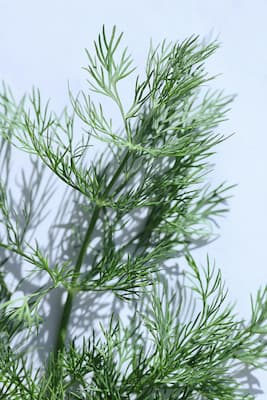
When you think of Dill herbs, chances are you are thinking of pickles. As a gardener, we think of many more culinary uses for this herb. We also think of its attractiveness in the back border of our herb garden. While Dill plants are not the most popular of herbs, it is a very common to have dill growing in the summer herb garden.
Also called “Dill Weed”, this herb is native to southwest Asia. It picked up roots, and traveled the world, with merchants ages ago. Like many herbs, its popularity in the kitchen has caused it to migrate all over the world. It is a member of the Parsley family and grows from 18 to 42 inches tall.
If your garden space is limited, try the smaller varieties. Put them in the back of the herb garden as a border. Or, try them in containers on your patio or deck.
Top Varieties: Bouquet, Mammoth
Medicinal and Culinary Uses
Medicinal Uses:
Dill herb tea is popular for controlling flatulence. First, make the tea by adding 1-2 teaspoons of dried seeds to boiling water. Then, let it steep for several minutes.
Chewing a few Dill seeds will freshen your breath, too.
It is also been used for colic in children.
Culinary Uses:
Dill has a refreshing aroma and delicious tang, either fresh or dried. Snip fresh leaves into soups and salads. Dill herbs are very popular in cucumber dishes, dips, sour cream, fish, dips, eggs, and vinaigrettes.
The seeds are a must for homemade pickling. Dill seeds are also the main ingredient in curry powder.
Deer Resistant? Yes. Deer, rabbits, and other foraging pests do not like the strong scent and taste.
Native To: North Africa and Western Asia.
Botanical Name:Anethum graveolens
Other Names: It is also called Dill Weed, Dillweed, Anet, East Indian Dill, and Dill Oil Plant.
Dill Plant Propagation
Dill is grown from seed. Directly sow seeds into your garden in the spring. Sow seeds early in the season, and cover lightly with soil.
Also, you can start plants indoors 6 to 8 weeks before the last frost in your area.
Note: We recommend a heated germination mat, to increase the speed of seed germination. Additionally, the germination rate is higher.
Planting Depth: 1/4″ to 1/2″ deep. We recommend planting them on the shallower side of this range.
Final Plant Spacing: Space seedlings, or thin plants 10 to 12 inches apart in rows 2 to 3 feet apart.
Days to Germination: 10 – 21 days.
How to Grow Dill Herb Plants
Planting and Soil Needs
Dill Weed is an easy-to-grow plant.
The plants prefer full sun and well-drained soil. They do well in average soils. But, like other plants, they perform best in rich soil. Mix compost into the soil at planting time. Also, mix in a balanced, general-purpose fertilizer.
Dill plants tolerate dry soil conditions.
This herb plant grows rather tall. Thus, plant it at the back of your herb garden.
Light Requirements
Select a location in your garden where your Dill plants will receive at least seven to eight hours of bright, direct sun. For optimal growth, grow them in a location where they will receive full sunlight from sunrise to sunset.
The plants are tolerant of light, partial shade. In hotter regions, select a growing location that has partial sunlight or light shade during the midafternoon to protect it from damage by the hot rays of the sun.
With reduced sunlight, the plants grow slower and smaller, producing fewer flowers and seeds.
Fertilizer Needs
Dill plants are not heavy feeders. In rich soils, you may not need any extra fertilizer at all. In average or poor soil, apply a balanced general-purpose fertilizer apply a general-purpose fertilizer once or twice during the season.
Water Needs
Keep the soil moist but not wet during the entire season. The plants do not like extended periods of soggy soil.
Water them during dry periods, once or twice per week.
Other Steps
Weeds rob valuable water and soil nutrients. Therefore, keep young Dill plants well-weeded. Then, after they have grown several inches, apply a layer of mulch. This helps to retain soil moisture and gives the plant a neat and tidy appearance.
Prune away dead, damaged, or diseased leaves or stems. If you prune them during the season, then the plant will become bushier, producing more leaves.
Plants are susceptible to frost in both spring and fall. Weather below 50° can stunt their growth. So, protect them when the weather turns colder in your area.
At the end of the season, keep some of the seeds for next year’s crop.
Insects, Animal Pests, and Plant Disease
Very few insects bother this herb. Particularly, caterpillars are the only common insect pest. Pick them off by hand as you spot them.
Dill plants are not on the diet of foraging animals. They do not like the strong aroma or the taste.
Plant disease is very uncommon.
Harvesting Dill Plants
The leaves, stems, flowers, and seeds of the dill plant are edible. However, the leaves have the strongest flavor, and thus the most culinary applications.
The dark green leaves are called “Dill Weed”. Harvest leaves at any time. But, the oils are most intense just before the flowers bloom. The young, tender leaves are best for flavor. Harvest flowers when in bloom. The flower heads produce seed pods. after the flower head has died. Tie a group of stems together and hang upside down to dry. Make sure to have a container or bag under them to catch seed. Once they are dry, shake out the remaining seeds.
Tip: Harvest leaves in the morning when their oils are the strongest.
Related Articles
Also, people who liked this article will also like: