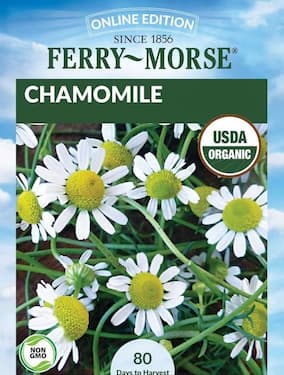
About Growing Chamomile Plants in Your Herb Garden
Just about everyone has heard of Chamomile herbs. It makes a very popular, relaxing, and tasty herbal tea. Chamomile plants are native to Europe. Early settlers to America brought it to the New World and were growing Chamomile shortly after their arrival. after all, early pilgrims and settlers needed something to relax them, after a hard day of colonizing and settling this great country.
In addition to soothing tea, Chamomile is a pretty flower in the herb garden or flower bed. Sweet smelling, daisy-like flowers, sit atop thin stalks and leaves. The plant has leaves that are slightly bitter tasting. The plants grow from 12 to 30 inches, depending upon variety.
If you are limited in space and really want homemade tea, try growing Chamomile in containers on your patio or deck. You can also grow them indoors as houseplants.
Medicinal and Culinary Uses
Medicinal Uses:
Grind Chamomile leaves and mix them with a little water into a paste to treat toothaches.
It is used to treat stomach aches and in tonics.
Also, it is also believed to improve the immune system. It may help to ward off colds and other ailments.
Culinary Uses:
Use flowers to make an old-fashioned tea. Add chamomile to other kinds of tea to make a refreshing blend. Serve Chamomile tea hot, chilled, or in punch.
Other Uses:
Chamomile is used in homemade hair rinses. It is also an ingredient in cosmetics.
Chamomile Plant Growing Specifications
Flower Colors: White petals with a bright yellow center.
Final Plant Spacing: Space seedlings, or thin plants 15 to 18 inches apart in rows 12 to 18 inches apart.
Days to Germination: 7 – 14 days.
How to Grow Chamomile Plants
Planting and Soil Needs
Chamomile plants are easy to grow and are not a demanding plant. The plants grow best in cooler regions. They thrive in full sun to light, partial sunlight. They prefer average to rich soils.
For perennial varieties, grow these plants in an area of your herb garden where they will grow undisturbed and not be in the way when it is time to plant your annual herbs next spring.
Mix compost into the planting site. Additionally, include a balanced, general-purpose fertilizer at planting time.
Light Requirement
Select a location in your garden where your Chamomile plants will receive at least seven to eight hours of bright, direct sun. For optimal growth, grow them in a location where they will receive full sunlight from sunrise to sunset.
The plants are tolerant of light, partial shade. In hotter regions, select a growing location that has partial sunlight or light shade during the midafternoon to protect it from damage by the hot rays of the sun.
With reduced sunlight, the plants grow slower and smaller, with less flowers.
Fertilizer Needs
Add a balanced general-purpose fertilizer every four to six weeks during the growing season. For a quick boost, you can also apply a liquid fertilizer to the leaves and the roots. Apply it to the leaves early enough in the day so the leaves will dry off before sunset.
Water Needs
Provide sufficient water during the growing season to keep the soil moist. The goal is to have the soil evenly moist, but not wet, the entire season. Water directly to the roots of the plant
Other Steps
Weeds rob valuable water and soil nutrients. Therefore, keep young Chamomile plants well-weeded. Then, after they have grown several inches, apply a layer of mulch. This helps to retain soil moisture and gives the plant a neat and tidy appearance.
Prune the plants if the stems get leggy. And, prune stems that you heavily harvest. For perennial varieties, prune the plants back at the end of the season.
Perennial varieties overwinter with few, if any problem. In colder regions, apply a thick layer of mulch around the plants to protect the roots from freezing.
Harvest the flowers for tea when they reach peak bloom. They can be used fresh, or dried. Pick them in the morning when the flower is fully open for the day and the dew has evaporated off them. If you harvest them on a hot afternoon day, then the essential oils have evaporated. Spread flowers out to dry in a cool and ventilated area.
To collect seeds for planting next year, pick the seeds after the flower has died and the seeds are dry.
How to Grow Chamomile Plants in Planters
Chamomile herbs are good candidates to grow in containers on your patio or deck. Grow smaller varieties in window boxes, too.
In addition to the “How to Grow Chamomile” steps above, here are a few additional steps for growing them in containers:
These herbs tolerate a little overcrowding. So, grow them in containers a little closer than the normal recommended spacing.
First, select a sunny location on your patio or deck.
Deck and patios often get hotter than in your herb garden. Hence, in hotter weather, you can move the planter into shade in the afternoon.
It is important to have a drain hole in the container to allow excess water to drain from the pot.
The plant grows best in evenly moist soil. Keep an eye on the moisture level. Check the plants every few days, especially in extended periods of hot, dry weather.
When watering the plants, thoroughly wet the soil. Excess water will drain through the hole in the bottom of the flowerpot.
Nutrients in a container are limited. So, use fertilizer spikes to feed the plants. Or, apply a light solution of liquid fertilizer once a month.
Related Articles
Also, people who liked this article about “How to Grow Chamomile” will also like: