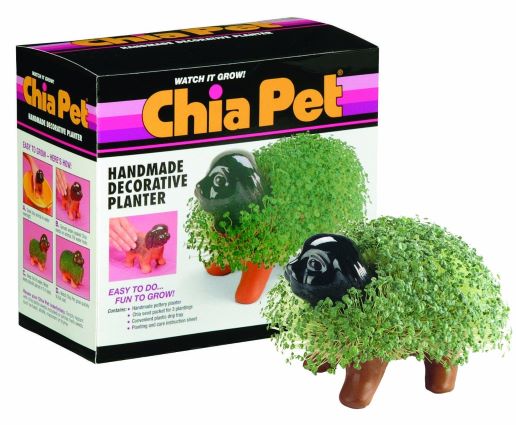
Chia plants… surprise, surprise. They’re not just for Chia pets. Chia plants are classified as an herb. They are most often grown for their flavorful seeds. The leaves and sprouts are edible, too. And best of all, they are good for you! For us gardeners, there’s even more good news: chia plants are easy to grow. Perhaps the only downside to this great annual plant, is they can become invasive, as the prolific seed production will self-seed the area where they are planted and spread from there.
Chia seeds have a pleasant, nutty taste. They are healthy and nutritious. The seeds are high in fiber, calcium, Omega-3, and other ingredients. They are gluten-free. All this goodness makes you want to grow them, doesn’t it? Yeah, me too! The seeds are not readily available from the top home garden seed companies, so you won’t find them in brick and mortar stores, You can easily find chia seeds for planting with a quick online search.
Chia plants are native to the Southern United States, Mexico, and Guatemala. They were grown by Ancient Aztecs and other indigenous people. They are an annual plant and members of the Mint family. The plants begin to produce blue, lavender, and white flowers four months after they germinate. The flowers attract bees, butterflies, and hummingbirds. The birds will eat the seeds, too. The plants prefer dry, warmer climates and are drought resistant.
Medicinal and Culinary Uses
Seeds are the most common crop. They can be eaten raw and whole. Sprinkle seeds over a wide variety of foods. Add the seeds to pudding, juice, teas, milkshakes, and smoothies. The seeds can be ground for flour and in baking, like flax. The leaves can be in tea. Use the sprouts in salads or smoothies.
The high fiber content is good for the digestive system. It is important to note that the seeds absorb a lot of water. If dried whole seeds are eaten in large quantities, they can absorb water in the stomach and digestive tract, causing temporary blockage.
Deer Resistant? Yes. However, Deer and other foraging animals may eat them if other food sources are scarce in the area.
Native To: Southern United States, Guatemala, and Mexico.
Botanical Name:Salvia hispanica
Other Names: Golden Chia, Mexican chia, Salba chia
How to Grow Chia - Plant Propagation
Chia plants are started from tiny black seeds. You can start them indoors, or directly plant them into your herb garden. The seeds are tiny, so most growers start them indoors. The seeds germinate in 1 to 2 weeks.
Soak seeds in water at room temperature for about 30 minutes, then sow them into seed trays. Place them on top of the soil in the seed trays and lightly cover them with light seed starting soil. Keep the soil moist, not wet. The high fiber content of the seeds readily absorbs water and will rot in wet soil.
Planting Depth: 1/8 to 1/4 inch deep
Final Spacing: 12″ to 18 inches apart.
How to Grow Chia Herb Plants
Planting and Soil Needs
Chia plants are easy to grow and fast-growing. Established plants require little or no maintenance. Most varieties grow up to 4 feet tall and 18 inches in diameter. The tallest variety grows up to 6 feet.
Chia plants prefer warm, dry weather, and bright, full sunlight. They grow well in average or sandy soils that are well-draining. Mix in a healthy amount of compost before planting.
Plant seeds or transplants outdoors after all danger of frost has passed. Transplants should be at least 6 inches tall and have 6 to 8 pairs of leaves before planting
Light Requirement
Select a location in your garden where your Chia plants will receive at least seven to eight hours of bright, direct sun. For optimal growth, grow them in a location where they will receive full sunlight from sunrise to sunset.
The plants tolerate a little partial sunlight. Thus, they are good candidates to grow indoors. For example, Chia pets thrive in homes when placed in or near a sunny window.
Fertilizer Needs
The plants need little or no fertilizer. Add fertilizer if grown in poor soils.
With that said, Chia plants will grow even better with a few applications of fertilizer. Apply a balanced, general-purpose fertilizer every four to six weeks during the growing season.
Water Needs
Chia plants are drought-resistant. Allow the oil to dry out between watering. Then, add water only when the soil is dry to the touch.
Other Steps
After the plants have grown six to eight inches tall, spread mulch around them to keep weeds down, while the chia plants get established.
The leaves and flowers grow off of sturdy stems. Three to four months after germinating, the plants begin to flower. Expired flowers produce the seed pods. You can deadhead flowers for an additional, larger profusion of flowers later.
Chia plants do not survive a hard frost. After the first frost, harvest the remaining seed pods, if any.
Insects and Plant Disease
Chia plants have little or no pest and disease problems.
How to Harvest Chia Seeds
After the flower has died, you will see the seed pod. When the pods are dry and brown, cut off one pod and shake it. If you can hear the seeds rattling in the pod, they are ready to harvest.
Dried seeds are long keepers. They can be stored in an airtight container for two to three years.
Related Articles
Also, people who liked this article on “How to Grow Chia Plants” will also like: