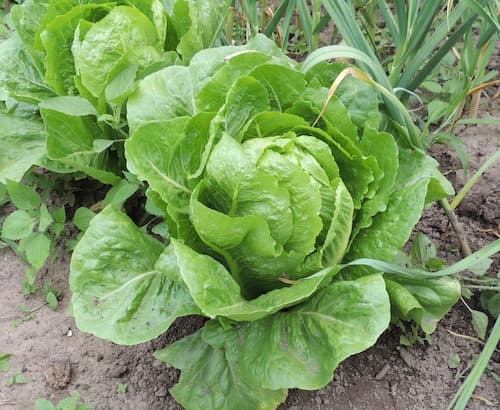
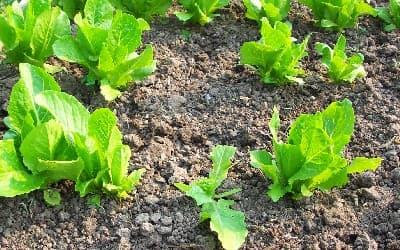
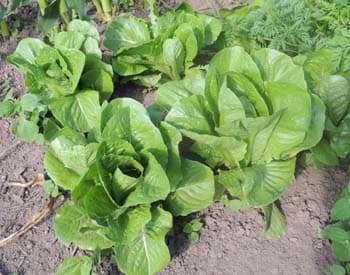
Without a doubt, you and your family will love these greens. Romaine lettuce is one of the most popular greens in both the garden and the kitchen. Certainly, gardeners love fast-growing Romaine lettuce. It forms a loosehead, that is easy to harvest. It takes up little space in the garden, too. The average American gardener grows a variety of greens. Romaine lettuce is usually one of these varieties. Use this guide on “How to Grow Romaine Lettuce” and you’re on your way to a great crop of greens. So, purchase some romaine lettuce seeds and get growing!
Sweet and delicious, Roman Emperor Caesar knew what the best tasting lettuce was. Romaine lettuce is the basics for Caesar Salad.
Lettuce Trivia: The ancient Greeks believed lettuce induced sleep. SO, they served it at the end of meals.
Common Varieties of Romaine Lettuce
Parris Island, or Cos, is by far the most popular variety of Romaine lettuce.
Baby Romaine grows smaller and matures sooner.
Red Romaine adds color to salad bowls and as a garnish.
Valmaine has better heart and cold tolerance than other varieties.
One cup of shredded Romaine lettuce contains approximately:
8 calories
2 g carbs
0 cholesterol
0.1 g fat
1.0 g fiber
0.6 g protein
4 mg sodium
Sowing Romaine Lettuce Seeds
Like other lettuces, Romaine lettuce seeds are very fine. Plant in rows, spreading the seeds as thinly as possible. No matter how hard you try, the seeds are very difficult to disperse. Thinning seedlings is a must. Cover the seeds with a very fine layer of loose soil or starting mixture. Fast sprouting seedlings should emerge in about 5-10 days.
Romaine is a good candidate for an indoor start. They transplant easily. You can also plant indoors in pots, or in containers for a lettuce garden on the deck. When transplanting in the garden, it is much easier to give them the proper spacing.
Final Spacing: Space plants 6 – 12 inches apart, in rows 18 inches apart. Plant smaller varieties at the minimum for this range, and larger varieties at or near the maximum.
For maximum growth, avoid overcrowding. Whether starting indoors or out, you will likely want to transplant your seedlings with the proper spacing for fast, full development.
How to Grow Romaine Lettuce Plants
Planting and Soil Needs
Romaine lettuce is easy to grow. Plant them in a location where they will receive full sun to partial, light shade. The soil should be rich, fertile, and well-draining. As a cool weather crop, the plants grow best when planted as a spring or Fall crop.
Transplanting should only be done in cool, preferably cloudy weather. If the weather is hot and sunny, we recommend putting off transplanting, if possible. If this is not possible, then transplant in the early evening hours. Water thoroughly and every day after, unless it rains, for about a week.
Tip: When transplanting lettuce in hot weather, place some form of sun shade over the plant for a couple of days. Any makeshift shade will do.
The key to growing crisp, sweet Romaine lettuce, is to get it growing at a fast pace. That means plenty of water and a healthy dose of fertilizer.
For early spring crops, slightly elevate the planting location, if your area receives a lot of rain.
Light Requirement
Romaine lettuce plants grow best when planted in a location where they receive at least five to six hours or more of direct sunlight. They benefit from a little partial shade during the hot midday period.
This is a cool-weather plant. In warm areas of the country, grow them in partial shade. While this is not optimum for plant production, it helps to avid wilting, bolting and sun scald.
Fertilizer Needs
Fuel the growth of these greens with plenty of fertilizer. Apply a nitrogen rich fertilizer every two to three weeks. The plants also respond well to liquid fertilizer, too.
Water Needs
Another trick to successfully growing Romaine lettuce is to keep it growing fast, with lots of water. Keep the soil moist, but not wet, during the entire growing cycle.
Other Steps
Succession planting is a common and useful practice. Plant successive crops for a constant supply of Romaine all season long. Plant small rows or sections of your garden with Romaine every two weeks.
Keep Romaine lettuce plants weeded. This will allow maximum sunlight, moisture, and nutrients to reach the plant.
Mulching around established plants also helps to retain soil moisture.
Bunnies like all kinds of lettuce. Got bunnies!? Then, a rabbit fence is in your future.
Insects can become a real problem, too. A wide variety of insects like lettuce. Romaine lettuce is delicate and can absorb insecticides. If an infestation occurs, we recommend insecticidal soaps and organic repellents. If you choose chemical sprays, read the label carefully, to make sure it is safe to use on lettuce and other leafy vegetables. Also, heed the amount of time you have to wait to harvest the crop after spraying…it’s all on the label of the insecticide you purchase.
Slugs are a real problem for all types of lettuces. There are a variety of control methods. More on Slugs and snails.
Plant Disease
Romaine lettuce will wilt and rot in hot, humid weather. The plant will also bolt or go to the seed stage in higher heat. Heading or bunching types are more susceptible to rotting and bolting. Leaf types grow and mature quickly and have fewer disease problems.
Plant Problems – Diagnosis, causes, and cures for many common plant problems.
Harvesting Romaine Lettuce
Days to Harvest: Most varieties of Romaine lettuce are ready to harvest in 65-70 days. Baby Romaine is ready in about 55-60 days.
You can pick Romaine as soon as it is big enough to use. Pick the outer leaves. The inner leaves continue to grow. Or use the plants pulled while thinning. After cutting, Romaine will regrow, but will not be one nice, neat head. It’s better to start a new plant.
Thinning lettuce? Use the thinned plants in your salad! If you just can’t wait for some fresh, homegrown Romaine lettuce, harvest the outer leaves as soon as they are big enough to use on a sandwich or in a salad. As you thin the rows, use culled plants.
After harvesting the loose-leaf head, if you leave the roots in the ground, the plant will continue to produce new leaves. But, it will not produce a new head.
Romaine lettuce forms loose heads when mature. If this is your first time growing, it’s sometimes hard to tell when they are fully mature. Of course, when in doubt, harvest a head, eat, and enjoy!
Did You Know? The darker green outer leaves are more nutritious than the inner leaves.
Plant Hardiness
Romaine lettuce thrives in cooler weather, with moderate moisture. Unfortunately, it is not fond of mid-summer heat, or dry conditions. Many gardeners will plant a crop for spring and early summer harvest, leaving the mid-summer months to the tomatoes and the corn. Then, as the late summer heat begins to wane, they plant a new lettuce crop for a fall harvest.