Shrubs and bushes native to your area, have “learned” to survive the winters in your area. If you live in colder, more northerly parts of the country, those native plants have adapted over time to survive winter dormancy, as it experiences harsh, cold, and snowy weather. In extreme weather, even hardy native plants may need some winterizing. For the many varieties of non-native, trees, bushes and shrubs, winter protection may be a necessity for their survival.
There are several problems that your shrubs may face in the winter dormancy period.
How to Protect Shrubs from Winter Conditions
There are several problems that your shrubs may face in the winter dormancy period. These conditions include:
Temperature Fluctuations
Temperature fluctuations often occur at any time of year. As winter nears, outdoor plants begin to enter their dormancy period. Slowly falling temperatures make this transition easier. On the other hand, wide temperature swings, and especially sudden plunging and freezing temperatures (early in the transition to dormancy), can be stressful and damaging to plants. Woody plants are the most susceptible. Prolonged winter “warm-ups”, can also be harmful to plants, causing them to emerge prematurely from winter dormancy.
Prevention & Protection: For sudden plunging temperatures, you can cover your more sensitive plants. A plastic sheet or old blanket will do You will likely only need to do this a couple of times. Once shrubs and plants have become acclimated to winter dormancy, all should be well.
Freeze and Frost Cracks
These cracks can occur as longitudinal cracks on the south or southwest side of trees when the temperatures go below 15 degrees. Cracks can be shallow or deep and may run from an inch or two, to several feet.
Plant Girdling
Hungry mice and rabbits commonly feed on the bark of trees and shrubs, especially in late winter as food becomes scarce. Mice will chew on the bark below the snow, while rabbits do damage above the snow line. If they chew completely around the trunk, the bush or tree dies.
Prevention & Protection: Wrap a metal screen mesh around the trunk, from the soil level up to several inches. Pull mulch away from the trunk. This will help deter mice.
Root Damage
Shrub and tree roots can be damaged or killed (killing the plant) when the ground freezes. Damage is common when the soil temperature goes below 15-20 degrees.
Prevention & Protection: Apply several inches of mulch on the ground around your plants. For container plants, bring them indoors, mulch several inches around and on top of the container, or bring them into a greenhouse, where they can over-winter. If brought into a greenhouse (or unheated garage), monitor the temperatures of the structure, to assure the roots will not freeze.
Salt Damage
High concentrations of salt, are harmful to plants. Salt spray on the leaves and branches can burn them. The salt contained in melting snow enters the soil and goes into the plant’s root system. High concentrations can kill the plants.
If your trees or shrubs are near roads and sidewalks where salt is used for de-icing, be vigilant for damage.
Heavy soils will retain salts more than loose soils.
Prevention & Protection: Set up a snow fence to block snow-laden salt. If a thaw occurs after heavy, extended periods of snow, use a garden hose to rinse the salts off plants. In the spring, water heavily around plants, to help to dilute and leach the salt out of the soil.
Snow and Ice Damage
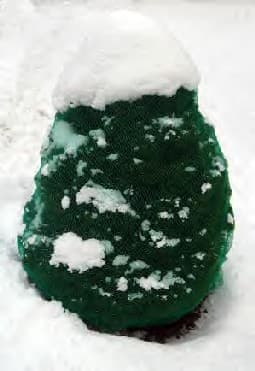
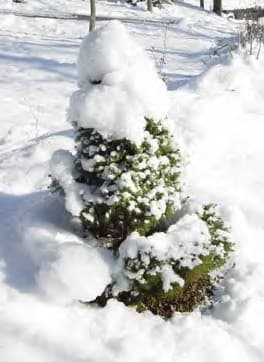
Heavy snows and ice storms can be particularly brutal on trees and shrubs. It is common for branches to bend and break. Evergreens, arborvitae, juniper, and yews are very prone to winter snow and ice damage.
Shrub Protection: To provide winter shrub protection for susceptible shrubs and trees, use burlap or plastic netting to cover and protect trees.
Spring Freezes
As spring arrives, plants leave the dormancy period. Sap flows up through the stems and branches of trees and shrubs. Leaf and flower buds bulge and then begin to open. The later in the spring that a freeze occurs, the more likely it is to do damage.
Prevention & Protection: For sudden, late spring freezes, you can cover your more sensitive plants. A plastic sheet or old blanket will do You will likely only need to do this a couple of times.
Sun Scald
Sunscald can damage tree trunks on the sunny, south, and southwest sides of the tree. Sunscald occurs during winter dormancy when a period of bright sunlight follows a prolonged cloudy period. The temperature on the sunny side of the tree is much warmer, and this de-acclimates this section of the tree. A canker forms on the tree, as the bark warms and darkens, turning reddish-brown, and having a rough texture.
Evergreen Winter Burn
Evergreen winter burn is the result of plant leaves or needles losing more water than the plant root system can replace from the frozen ground. Winter sun and winds can dry out the needles(leaves) of evergreens, scorching them. The tips of the needles turn downward and turn brown.