So, you have a huge, well-established, beautiful rose bush growing in your yard. You love it. It is a unique bush and has been producing a profusion of blooms on a regular basis for years. This year’s blooms are no exception. Life is good. There is only one problem…..you are about to move. The existing bush is too big to transplant. So, you turn to rose propagation. If you don’t already know how to propagate roses, this article will show you how.
A fully grown rose bush is not an easy item to move. This is just one example of many, where plant propagation comes in handy. Propagation is simply the act of reproduction, a common term in the plant world. Roses are propagated, or reproduced, either by seed or by taking cuttings from an existing bush. Either method is effective. Seeds will take on a genetic mixture of two mated plants. The pollen that fertilizes the flower might not have come from the plant with the flower on it. A cutting, however, is an exact genetic replica of the plant it was taken from.
Taking a cutting from an existing bush is by far the most common method of propagating roses. Although you can do it, growing new rose bushes from seed is largely in the realm of commercial growers and horticulturalists. We will focus on the first method.
How to Grow Roses from Cuttings
Propagate roses from cuttings in the spring when the plants are vigorous, and the weather is cooler. Select a young, tender shoot. Old, woody stems do not root well. If there is a bud, carefully snip it off. Cut a 4 to 6-inch shoot four to six. Plant the cutting one to two inches deep in your flowerbed in an area clean of weeds and plants. To avoid transplant shock, plant the cutting where you want it to grow. Water well, and cover it with a glass or plastic jar or container. The jar acts as a mini-greenhouse, encouraging growth by keeping the temperature higher, especially at night, and retaining moisture and humidity.
Sometimes, the success rate of cuttings is low, especially for new and inexperienced growers. We recommend you start with three or four cuttings. If they all develop, you can replant the extras, or give them to a grateful friend.
Check on your new rose bush every several days to make sure there is enough moisture in the soil. Water if the soil appears dry. Remember, the new roots will not be deep. The use of a little liquid fertilizer will help but is not a requirement. Remove the jar from the plant during the daytime, if the temperature approaches 75 degrees or higher.
Do not worry if the shoot appears dormant for a while. All of the activity is happening underground. It is focusing on developing a root system and does not have the energy or root support to develop new growth. After a couple of weeks, the shoot will begin to grow.
Once the new rose bush has begun to grow, you can remove the jar you placed over it. Follow normal care and maintenance for the new bush from this point forward.
How to Propagate Roses from Seeds
Yes, like other flowers roses produce seeds. Many people are not aware of this, as the rooting of cuttings is by far the most popular way of propagating new rose bushes.
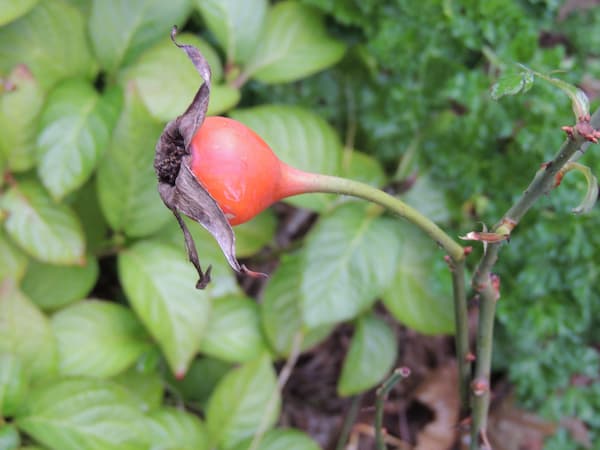
Leave a spent rose on the bush, and around bulb-like “Rose Hip” will form. The seeds are inside the rose hip. Let the rose hip completely dry out before harvesting seeds.
We recommend starting rose seeds indoors in late winter or early spring. As the weather warms, you can plant rose seedlings outdoors in their permanent home.