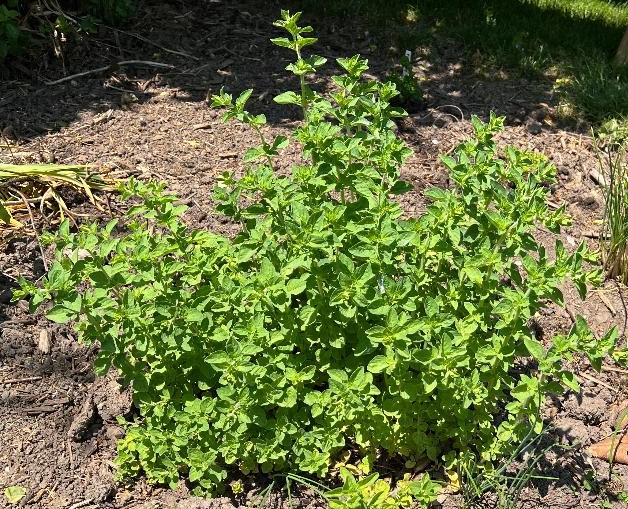
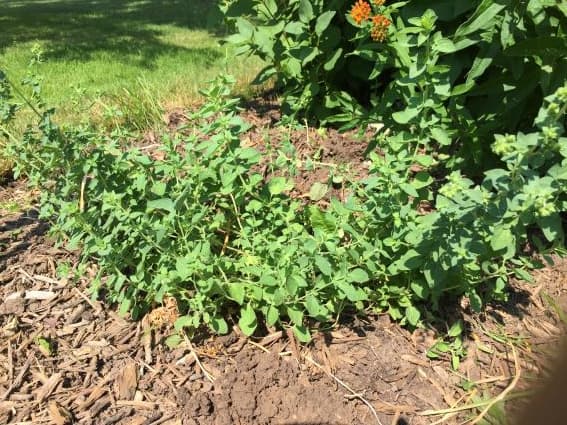
How to Grow Oregano Herb Plants

How to Grow Oregano Herb Garden Plant, home gardening tips.

About Growing Italian Oregano Plants in Your Herb Garden

We hope you’re growing oregano plants in your herb garden. There’s nothing better than fresh herbs. I’ll take ’em fresh any day, over the freeze-dried stuff you get in stores. Without a doubt, you will notice the difference, the first time you grow and use this Oregano fresh from your herb garden. Oregano plants are closely related to Marjoram. They are a member of the Mint family. This herb is native to Europe and Central Asia, thriving in dry, arid regions. 

Oregano is a popular herb in Italian and Mediterranean dishes. Can you imagine a pizza or spaghetti sauce or pizza, without any Oregano in it!?!

Many herbs, including Oregano, can be grown as a houseplant, too. Place them in a sunny window, and watch ’em grow! After you have enjoyed them all winter, plant them outdoors after all danger of frost.

If you have limited space, try growing this herb in a container on your patio or deck.

May we suggest: Try Greek Oregano as an indoor houseplant, or for containers on your patio or deck. Greek Oregano is a variety that grows about 5 -6 inches shorter, making it perfect for indoors or on the deck.

Flowers Bloom: Summer

Flower Colors: Pink, purple, and white.

Plant height: 8 to 24 inches tall. And, some varieties grow up to four feet.

Hardiness Zones: 4 – 10. 

Perennial, Origanum Vulgare

Medicinal and Culinary Uses

Medicinal Uses: 

There are many medicinal uses, including:

  • Treats skin sores, aching muscles, and cramps.
  • Relieve inflammation
  • Regulates blood sugar
  • Relieves diarrhea and indigestion 
  • Treats colds and cold symptoms
  • Fights bacteria

Culinary Uses:

Oregano is a “must have” for Italian and Continental cuisine. You just can’t have spaghetti sauce or pizza without this herb.

Also, it spices up many tomato recipes, meats, stews, bread, and stuffing.

Nutritional Value

100 grams of Oregano contains approximately:

  • 265 calories
  • 26 g carbs
  • 0 cholesterol
  • 4.3 g fat
  • 42.5 g fiber
  • 9 g protein
Italian Oregano Herb Plant. How to make herb wine sauce

Oregano Herb Plant Growing Specifications

Flowers Bloom: Summer

Flower Colors: Flower colors include pink, purple, and white.

Days to Harvest: 70 to 90. The leaves are most flavorful, and the oils are the strongest just before the flowers bloom.

Plant Height: One to two feet tall, or a little taller under ideal growing conditions.

Light Needs:  Full sunlight to light, partial shade. 

Ideal Soil pH: 6.0– 7.5.

Plant Hardiness Zones: 4 – 10. 

Ideal Growing Temperature Range: 

  • Daytime: 60 to 70° F.
  • Nighttime: 50° F.

Plant Type: Perennial. The plant normally lives 5 to 7 years.

Number of Varieties: 45.

Deer Resistant? Yes. Dere and other foraging animals do not like the plant’s strong scent, taste, or rough texture.

Native To: Asia, Europe, and The Mediterranean.

Botanical Name: Origanum

Oregano Plant Propagation

Grow Oregano from seed. Get an early start on this popular herb, by starting it indoors as a houseplant. Or, directly sow the seeds into your garden in the spring.

Sow seeds early in the season and cover them lightly with soil.

Seed Planting Depth: Sow Oregano seeds 1/4″ deep or less. Or, sow them on top of loose soil and lightly water them in. 

Ideal Soil Germination Temperature: 65 to 70° F.

Final Plant Spacing:  Space seedlings or thin plants 8 – 10 inches apart, in rows 18 to 20 inches apart.

Days to Germination: 7 -14 days.

How to Grow Oregano Plants

Planting and Soil Needs

Oregano plants are very easy to grow and maintain. The plants grow best in full sun and well-drained soil. They grow best in average soils and tolerate dry soil conditions. Being native to arid regions, the plants withstand droughts quite well.

For a good start, mix compost into the planting site. Also, mix in a fertilizer high in nitrogen to give the plants an early boost.

Light Requirement

Select a location in your garden where your Oregano plants will receive at least seven to eight hours of bright, direct sun. For optimal growth and flavor, grow these warm-weather, sun-loving plants in a location that receives full sunlight from sunrise to sunset. 

This herb tolerates a little partial shade. In hotter regions, partial shade protects the plant from scalding from the hot rays of the sun. However, too little sunlight results in leggy, less robust plants. And, the leaves have less flavor and aroma.

Fertilizer Needs

The plants grow best in average soil, because they do not need a lot of fertilizer. Give them a high-nitrogen fertilizer at the start of the season to promote quick growth. Then, do not add fertilizer to this plant because too much fertilizer weakens the flavor.

If the soil is poor, then add a little balanced, general-purpose fertilizer once or twice during the season.

Water Needs

Drought-tolerant Oregano plants seldom need additional water. As a matter of fact, too much water results in diluting the concentration of oils in the plant.

After the plants only during extended periods of drought. Then, allow the soil to dry out between watering. 

Other Steps

Weeds rob valuable water and soil nutrients. Therefore, keep young Oregano plants well-weeded. Then, after they have grown several inches, apply a layer of mulch. This helps to retain soil moisture and gives the plant a neat and tidy appearance.

Pinch back the growing tips of the plant to promote bushier growth.

Prune away dead, damaged, or diseased leaves or stems. At the end of the season, cut the plants back by 1/3 to 1/2. 

The plants are hardy and do not need much winter protection, if any. In colder regions, apply a layer of mulch to protect the rhizomes from freezing.

Pick flower buds as soon as they appear. The leaves turn bitter after the flowers bloom.

After five or six years, grow new plants because younger plants are more robust and vibrant.

Insect and Plant Disease Problems

Insect and disease problems are uncommon.

Also see: Plant Problems – causes and cures

Harvesting Oregano Herb

Harvest Oregano leaves at any time after the plant has produced a few dozen leaves. Never harvest more than 1/4 to 1/3 of the foliage, as taking too many leaves negatively affects the growth and development of the plant. Pick the young, tender herb leaves, as they are best for flavor. Harvest in the morning, when the oils are strongest.

Spread the leaves out to dry in a cool and well-ventilated area. The leaves can also be put in the freezer for later use.

Harvesting Tip: Oregano leaves have the most flavor and contain the most oils just before the plant begins to flower.

Related Articles

Also, people who liked this article on “How to Grow Oregano Herbs” will also like: 

How to Dry Herbs

More About This Herb by Garden Hobbies

More on How to Grow Herbs – All in all, these plant guides will help you to have a great garden.

Subscribe To Our Newsletter

    Please support our site. Shop for:

    Scroll to top