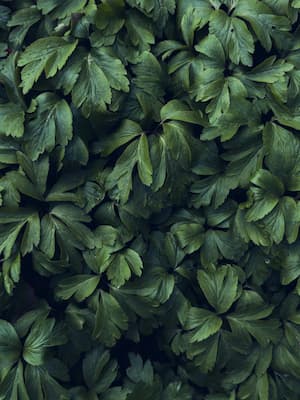
Often described as a “very old herb”, Lovage herbs are actually among the lesser-known herbs. This easy-to-grow herb has an anise and celery flavor. All parts of the Lovage plant, including the thick, fleshy roots, are edible. So, for a real treat, start growing lovage in your herb garden this year.
It is also called “Garden Lovage”. This perennial plant lives for several years. Depending upon who you talk to this herb tastes a little like celery or parsley. Others report it has hints of anise or licorice with a slightly earthy undertone. Of course, the only way you will know is if you try some!
Did You Know? Lovage is used as a substitute for salt.
Medicinal and Culinary Uses
Medicinal Uses:
Although Lovage has had a wide variety of uses over many centuries, it is seldom used today for medicinal purposes.
Medicinal uses include:
Fevers
Colic
Flatulence
Jaundice
Stomach disorders
Urinary Ailments
Culinary Uses:
Use Lovage, fresh or frozen, in soups, stews, salads, and stuffing.
It goes well with potato and tomato dishes.
All parts are edible.
Try Lovage in herbal teas.
Lovage Nutritional Value
100 grams of Lovage contains approximately:
37 calories
6.4 g carbs
0 cholesterol
0.8 g fat
0.2 g fiber
2 g protein
Lovage Plant Growing Specifications
Flower Colors: Yellow
Days to Harvest: Begin harvesting leaves in mid to late spring in the second year and later.
Plant Height: six to eight feet tall.
Light Needs: Full sunlight. Partial shade in hot regions.
Ideal Growing Temperature Range: Daytime: 60 to 70° F.
Plant Type: Perennial. It lives 10 to 15 years.
Deer Resistant? Yes. Deer, rabbits, and other foraging pests do not like the strong scent and tough texture.
Native To: Afghanistan and Iran.
Botanical Name:Levisticum Officinale
Other Names: Garden Lovage, Maggi plant, Mountain Celery.
Plant Propagation
Lovage plants are grown from seed. Directly sow the seeds into your garden after all danger of frost. Cover lightly with fine garden soil.
For a jump start, start seeds indoors 6 weeks before the last frost. After transplanting, keep the soil well-watered for a few weeks.
Lovage can also be propagated by the division of roots.
Seed Depth: 1/4 inch.
Final Plant Spacing: Space seedlings or thin plants to 2 to 3 feet apart.
Days to Germination: 10-21 days
How to Grow Lovage Herb Plants
Planting and Soil Needs
Lovage are cool-weather plants and are easy to grow. The plants are best grown as a spring and a Fall crop because they are not fond of hot weather. They grow best in full sun but tolerate partial shade.
Plants grow best in average to rich soils. But, like other plants, they perform best in rich soil. Mix compost into the soil at planting time.
Soil should be well-drained. Established plants are tolerant of dry soil conditions.
Light Requirements
Provide them with six to eight hours of bright, direct sunlight. They grow best where they receive partial shade from the hot rays of the afternoon sun in midsummer.
Importantly, too little sunlight results in leggy plants with thin stems that can’t support a heavy cauliflower head. Consequently, the heads may develop smealltr, too.
Fertilizer Needs
Lovage plants are not heavy feeders. In rich soils, you may not need any extra fertilizer at all. In average or poor soil, apply a balanced general-purpose fertilizer once or twice during the season.
Water Needs
The plants are somewhat drought-tolerant. Keep the soil evenly moist during the entire growing season. You’ll likely need to water them only during dry periods. Allow the top inch or two of the soil to dry out before watering. This helps to avoid root rot.
Other Steps
Lorem ipsum dolor sit amet, consectetur adipiscing elit. Ut elit tellus, luctus nec ullamcorper mattis, pulvinar dapibus leo.
Insect and Plant Disease Problems
Insect and plant disease problems are infrequent. Aphids, leaf miners, and spider mites are an occasional problem. Treat the plant with an organic insecticidal soap if problems arise.
As has been noted above, foraging animals do not bother these herbs.
Lovage herbs can suffer from mildews and blights. Prune plants to improve air circulation. Use organic fungicides only if needed.
Begin to harvest leaves as soon as the plant is big enough, about 2 to 3 feet tall. As a general rule, never take more than 1/3 of the plant’s foliage. Use the leaves fresh or frozen.
Related Articles
Also, people who liked this article on “How to Grow Lovage Herbs” will like: