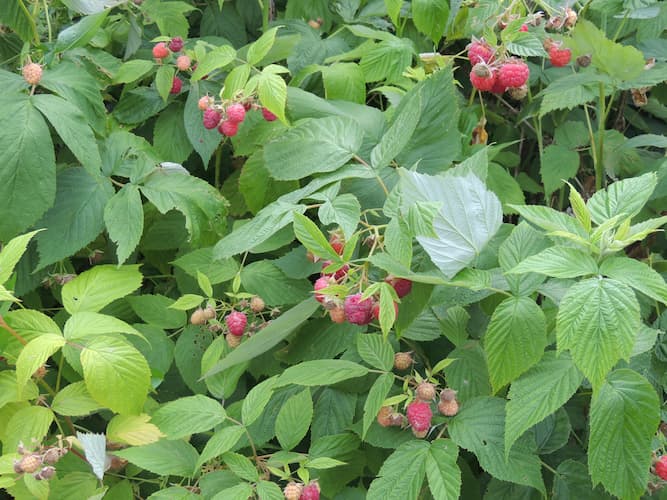
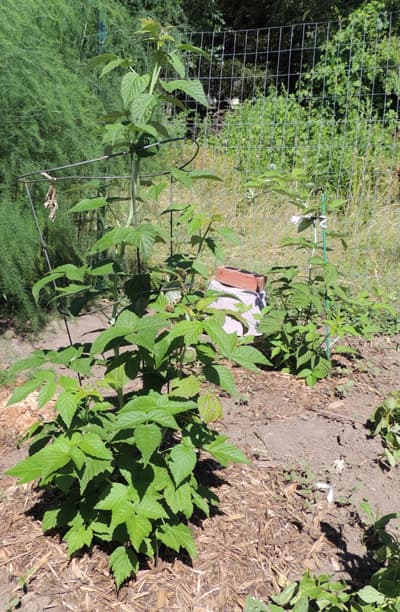
If you are looking for something easy to grow and have a little space, try growing raspberry bushes. They are sweet tasting and rich in antioxidants. Raspberries grow wild in the woods and along trails in many parts of the country. They successfully compete with a wide variety of weeds in fields and along the edge of the woods.
When you plant a few in your yard or garden, they will easily thrive. With a little care and attention, you will be rewarded with a big and juicy crop!
Did you know? While many growers will buy Raspberries from a garden store, you can dig out small plants from the woods near you (get permission if it’s your neighbor’s woods). We do suggest you be careful of those poison ivy plants that may be growing next to the Raspberry plants.
Plant Hardiness Zones: 4 – 8.
How to Grow Raspberries Plant Specifications
Fruit Ripens: Everbearing varieties bloom spring through early Fall.
Fruit Ripens: Everbearing varieties ripen from summer to mid Fall, depending upon variety.
Raspberry Bush Height: Four to eight feet tall, depending upon variety.
Lifespan: Perennial roots last 8 to 20 years. Individual canes live one or two years, depending upon variety.
Number of Species: There are over 300 species.
Native To: North America and Asia
Botanical Name:Rubus idaeus
Types of Raspberries
There are three types of raspberry plants.
Everbearing bushes produce two crops, Summer and Fall, on second-year canes.
Summer Bearing plants produce fruit in the summer on second-year canes.
Fall Bearing bushes produce berries on first-year canes.
Did You Know? Raspberry bushes are members of the rose family. While they both have thorns, can you think of any other similarities!?
Ho to Grow Raspberries - Light Requirement
Grow raspberry bushes in full sun. Give the plants eight to ten hours of direct sunlight. Too little sunlight can affect the number and size of the berries.
In hotter areas of the country, the hot sun can scorch or scald the berries.
Preparing the Raspberry Patch
Growing raspberry bushes is easy. Raspberries will grow in poor, dry soils. They will successfully compete against weeds in the woods. But, in the wild, the berries can be small, and the crop sparse. Given a little attention and care, they will do much better in your garden.
So….let’s grow some big, juicy raspberries. Start by selecting a sunny location. If your space is limited and you have allotted the sunniest space to your tomatoes, it’s okay. A little light shade won’t hurt your raspberries.
Next, mix in plenty of humus and rich organic material. Then, add a multi-purpose fertilizer. Till the area well, and eliminate all of the weeds. Now you’re ready to plant!
Planting Raspberry Bushes
Plat raspberry roots where they receive full sunlight. The perennial roots are invasive. Use landscaping edging to keep them from spreading to other parts of your garden.
Raspberries are usually grown in rows… called hedgerows. Allow about 1 1/2 to 2 feet in width for the hedgerow. Plant new roots three feet apart. They will send out suckers and fill in the area in between. Immediately after planting, water thoroughly. Keep the soil moist for a couple of weeks to allow the new plants to develop good roots.
How to Grow Raspberry Bushes
Here is one of the great things about raspberries…..once your patch is established, you don’t need to give it a lot of attention. You should thin out the patch from time to time. Don’t let the bushes get too thick. Good air circulation will help to avoid fungus disease. This is a common problem with Raspberries, especially if grown in shadier parts of the garden.
A general-purpose fertilizer once or twice a season is also helpful to promote strong, healthy plants and big fruit. Do not overapply. Too much nitrogen can result in bushy plants, but fewer berries.
Mulch is a useful tool for growing Raspberries. It helps to keep the weeds down. Do not apply it too thickly, as new shoots need to be able to get through a layer of mulch.
Raspberries will forgive you if the soil gets a little dry from time to time. But, dry soil during the fruiting period will result in smaller berries. Allow the top of the soil to dry out between watering. They grow best with even and consistent moisture levels in the soil. Water them during extended droughts.
Raspberries are biennials. They produce fruit on second-year canes, called floricanes. After producing fruit, these second-year canes will die and should be pruned out. Prune bushes immediately after the harvest season is over. Allow new suckers to grow each year for next year’s crop.
Harvesting Raspberries
Harvest fruit just as the berries ripen. They turn overripe quickly. So, plan on harvesting the berries every day or two.
Once it is picked, it will soften and ripen quickly. Store fruit in a cool, dry place, out of sunlight.
Insects, Pests and Plant Disease
The most common disease problem with Raspberries is a fungus disease. This can be minimized by keeping the hedgerows thinned.
Insects are not a common problem.
The biggest threat to your crop is birds. They love the berries as much as you do! Unless you want to share the crop, we recommend bird netting over the plants during the fruiting period.