Zinnias are one of the most popular and easiest flowers you can grow. Zinnias lovers are in luck, as there are many varieties of zinnias. They bloom in a wide range of colors and sizes, from Summer thru Fall. Zinnia plants are easy to grow and start. We hope you grow more than one variety of zinnia. Most home gardeners grow several varieties of zinnias from seed. You can either sow the seeds directly into your flower garden or start plants indoors.
Here are Some of the Most Popular Zinnia Varieties:
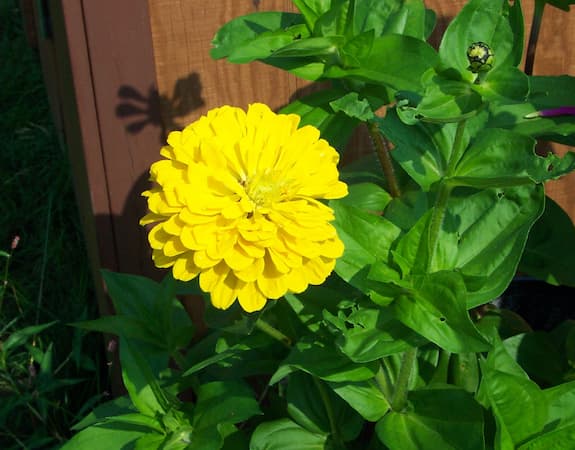
Canary Bird – Place this tall, bright yellow bloomer almost anywhere. Use it as a wildflower, for the back of the border in a flower bed, or in containers. It looks great in cut flower arrangements and bouquets. Canary Bird Zinnia grows 3 to 3 1/2 feet tall.
Candy Stripe White – A big, vibrant bloomer with white stripes and splashes of red. Candy Stripe White grows 26″ – 36″.
Carousel Mix – This is a bi-color bloomer in shades of pink, yellow, orange, red, purple, and white. When in bloom it puts on a stunning display. Plant height: 20″.
Cherry Queen – This variety is a must grow, producing elegant, bright red, double blooms on a tall plant. It grows 36″ tall.
Envy – This zinnia variety is an eye-catcher. Other gardeners will be envious! Grow this unique, light green, 3 to 4-inch diameter bloomer, and passersby will take notice. Grows about 3 feet.
Giant Cactus Double – This is one of the most popular of all varieties of zinnias. The plant grows 2 to 3 feet tall and produces huge 4 to 5-inch blooms in a variety of colors and hues. Don’t miss growing this Zinnia!
Lilliput – Lush and perky poms of color make this one of the more popular miniature varieties. Grow Lilliput in the flower bed, along walkways, in rock gardens, and in containers on your patio or deck. Grows 12″ – 18″.
Gardeners Often Plant Several Zinnia Varieties
Luminosa Pink – This beauty is a true garden favorite. They are beautiful and long-lasting in flower arrangements and bouquets. Luminosa Pink Zinnias grow 2 feet.
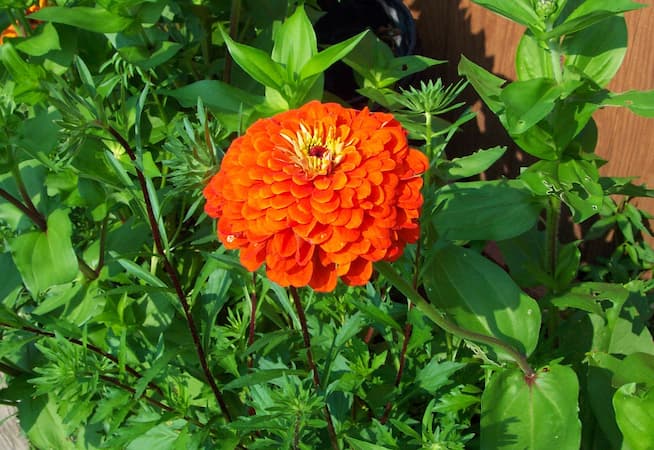
Oriole – Expect compliments! Big, bright orange and gold blooms scream “look at me!”. Use Oriole Zinnias as a centerpiece in your flower garden, in flower arrangements and bouquets. Plant grows 24″ – 30″.
Persian Carpet – What this variety lacks in size, it makes up in splendor. Double blooms are a blend of truly exceptional colors. Plant grows 12″ – 18″.
Purple Prince – Its intense purple color and stately height, makes this a very stunning, royal zinnia. Grows 3 to 4 feet.
Red Spider – This exquisite, compact plant puts on a summer and fall show, with masses of striking red, spider-like flowers. Blooms are 1 inch in diameter. Plant grows 24″ – 30″.
State Fair – This Zinnia variety takes the prize! Large blooms on a tall plant, in a wide variety of colors, will grace anywhere they are grown. State Fair Zinnias are one of the most popular varieties. Grows 3 to 4 feet.
Thumbelina – This cute miniature variety grows just 6 to 8 inches tall. What it lacks in size, it makes up for in charm and has a wide variety of colors. Thumbelina is an outstanding container plant. It shows off as a cut flower in small vases and decorative containers.
Related Articles
Also, people who read this article on Zinnia varieties will like: