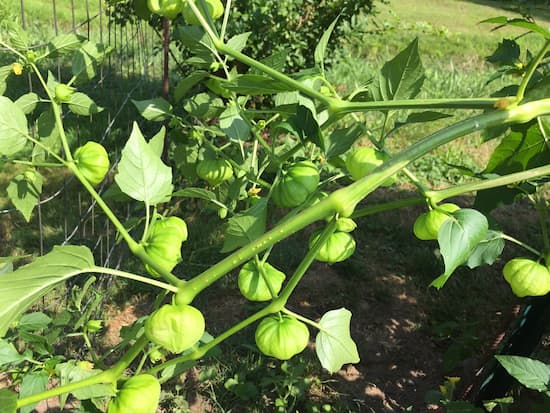
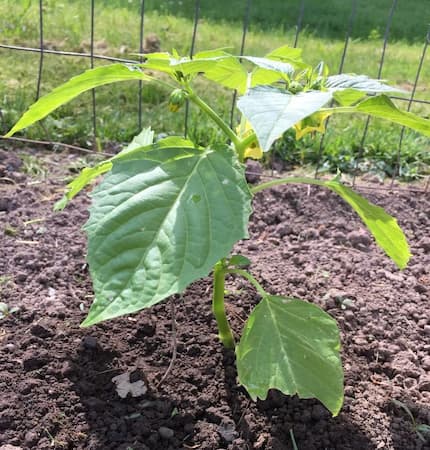
Easy to grow tomatillos are members of the nightshade family and are closely related to tomatoes. It is grown just like tomatoes. The plant and leaves look like a tomato plant, too. However, that is where the similarity ends. Twenty years ago, most Americans did not even know of Tomatillos, let alone think about growing them. Now, avid gardeners find growing tomatillos a great addition to their garden.
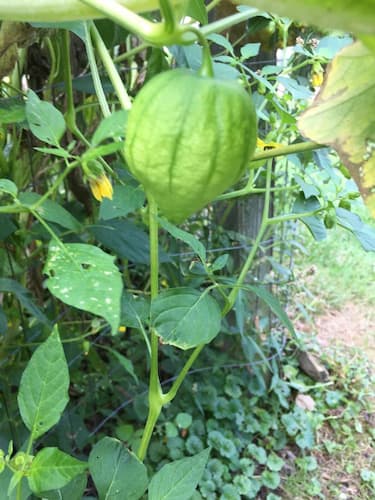
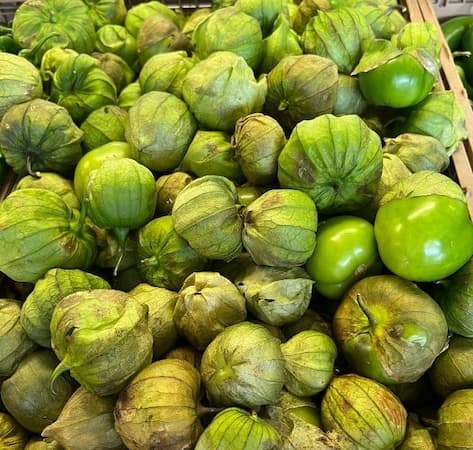
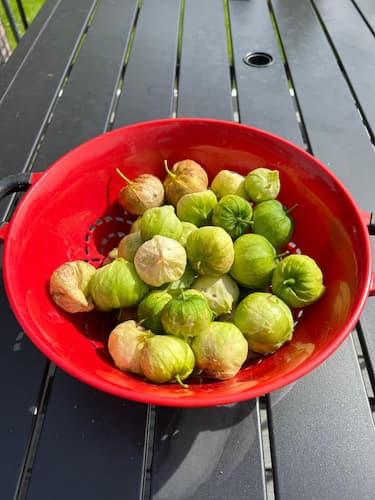
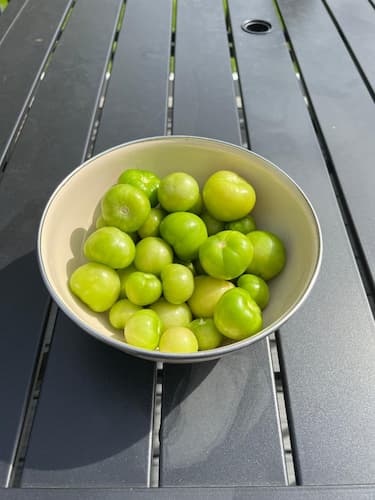
The fruit is green, and about the size of a large cherry tomato. Tomatillos grow inside of a thin paper-like husk. The inside is white and meatier than a tomato. They are used in Tomatillo Salsa or Sauce, jams, and many tex-Mex and Mexican recipes.
Botanical Name:Physalis philadelphica
Other Names: Mexican Husk Tomato, Toma Verde, Ground Cherries.
Varieties of Tomatillos
Green Tomatillos are most commonly found in the U.S.
There are also purple and yellow varieties.
How to Start Tomatillo Seeds
Sow Tomatillo seeds indoors six to eight weeks before the last frost. Sprouting tomatillo seeds is more successful when started indoors using a heated germination mat. Transplant tomatillo plants into your garden after all chance of frost has passed. Plant seedlings 18 – 24 inches apart, in rows three to four feet apart.
Garden Tip: Harden off your plants, by bringing them outdoors for increasing amounts of time, beginning a week before transplanting. Make sure to bring them in, or put them in a cold frame, if very cold weather or frost is forecast.
In areas with a long growing season, tomatillo seeds can be plated directly into the garden.
How to Grow Tomatillo Plants
Growing tomatillo plants is easy. The plants like hot weather. They are grown just like tomatoes.
Grow plants in full sun. They prefer light sand and rich soils. They do just fine in most garden soils.
Plants grow tall, four to five feet or more. The plants need support. If you use tomato cages, don’t be surprised if the grow much taller than the top of the cage. We recommend growing them along a fence, so you can use jute twine or rope to tie the plants to the fence.
Provide plenty of water, and mulch around the plant to retain water. Feed them regularly and switch over from nitrogen to higher phosphorous and potassium as the plants grow, to promote flowering and fruit set.
The plants are a little lanky. The stems can break in strong winds. Maximize your crop by staking or caging the plants. A fence works well, too. More on staking plants.
Insects and Pests
Insect infestations are fairly uncommon. Occasional chewing and sucking pests will affect them. The most common pests are cutworms, snails, and slugs.
Garden Tip: Stake your plants up to keep the fruit off the ground. Also, it keeps the snails and slugs away and avoids damage to the fruit from lying on the ground.
Plant Disease
Several plant problems can arise, usually in the mid-summer heat and humidity. Blights and fungus infections can occur in high humidity. Early treatment with fungicides is effective. Spacing plants too close cuts down air circulation and promotes disease.
Plant Problems – Diagnosis, causes, and cures for many common plant problems.
Plant Hardiness
Tomatillos are a tender annual. Transplant plants in your garden, after all danger of frost has past. Cover tender seedlings if frost is forecast. If there is fruit still on the plant in the fall, cover them with a sheet of plastic, a blanket, or an old tablecloth. Tomatillo plants will succumb to any frost.
Harvesting and Storing Tomatillos
Days to Maturity: 90 – 100 days.
Tomatillo plants produce a profusion of fruit, which will begin to ripen around mid-summer.
Tomatillos are ripe when the paper-like husk turns brown and breaks open. Remove the husk and rinse the oily substance off. Store in a cool, dry place until you are ready to use them.