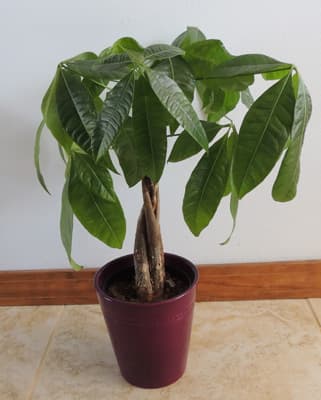
In colder areas of the country, bringing outdoor plants indoors is an important annual event. Don’t you just pity those people who do not have four seasons!? They do not get the joy of cleaning up and winterizing gardens against snow, cold, and wind. They also do not get the fun (and it is fun) of bringing plants indoors for the winter. Because you are reading this article, you most likely get that pleasure. And, you want to do it right.
There are a few things you need to consider and do before cold weather arrives. We say “before” because an early, unexpected frost can kill your plans, as it kills your plants.
Selecting Suitable Plants to Bring Indoors
There are a couple of things you need to consider, as you select plants to bring indoors. First and foremost, is whether the plant is suitable for your indoor climate. An indoor climate gets much less sunlight. So, plants that thrive in full shade or partial shade are good candidates. They must be small enough to fit into a pot or container. And, the root system must be comfortable in that contained area. They must also be tolerant of the cooler, drier weather that exists in your home during the winter months.
When to Bring Plants Indoors
When to bring plants indoors for the winter is a key question. Some plants are hardier than others. Meanwhile, some plants succumb to freezes. And others can get stunted by cold temperatures, even if they are above the freezing point.
Bringing outdoor plants indoors for the winter should be done several weeks before the weather gets really cold in your area. We recommend bringing them inside when nighttime temperatures approach 40° F.
Checking for Plant Disease and Bugs
It is important to select healthy plants. The first sign of a healthy plant is vigorous growth. Inspect each “soon to be” houseplant carefully. Make sure there are no insects on the plant, or in the soil. Are there holes in the leaves that suggest insects chewing on the plant? In checking for disease, obvious signs are slow growth, wilting leaves, and other visible signs, like powdery mildew.
If your plant is diseased, look for another candidate. If insects are present, either eliminate them or find another plant.
Selecting the Right Flowerpot
Selecting the right pots is primarily a matter of taste. Select containers large enough for the root system of your plant now, and through the winter months. Select pots with drainage holes in the bottom of the pot or container. Some pots do not have drainage holes. Many plants are drowned by too much watering, and no place for excess water to drain. A good pot will have drainage holes and a small dish underneath to capture any excess water that seeps out. Otherwise, excess water can drain through the bottom hole and damage your flooring. Your plant will thank you for its comfortable new home!
Re-Potting and Pruning
After you have selected your plant, give it a pruning into the shape you want. Don’t be shy. A good trim helps the plant to focus on developing and settling the root system in its new home, setting a good foundation for slow and steady indoor growth.
Use good, quality, sterile potting soil and center your plant in the pot. Set the plant into the soil as deep as it was outdoors. Carefully spread out the roots. Avoid damaging the root system. And, make sure the roots are completely covered with soil. Gently, firm down the soil. Water thoroughly, but gently, using a light solution of liquid fertilizer. Add more soil, if holes or low spots occur as the soil settles.
Your plant is now tucked cozily into its new home and will grow well thanks to your love and attention….and green thumb.
Acclimating Plants to Indoor Conditions
Outdoors, your plant received lots of sunshine. Through the fall and winter months, there is less sunlight for your plant. And once you bring it indoors, there is even less light. As a result, it’s important to provide a transition period to help your plant adapt to the new, indoor environment. Otherwise, your plant can suffer leaf drop or other plant health problems. More on Plant Leaf Drop.
When bringing a plant indoors, condition it by slowly reducing the available light it receives. First, give it as much sunlight as possible. This means placing it in the sunniest window, even if this is not its final winter destination.
Gradually move it away from the light. Slow and steady wins the race in this task. After several days, move it to where you want it to stay. We recommend a two to three-week transition period.