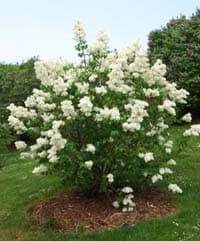
Almost any plant will benefit from occasional pruning. You can usually rejuvenate an overgrown, or struggling plant, by giving it a good trim. Even a healthy plant benefits by trimming from time to time. It doesn’t matter whether it’s a tree or a shrub, a bush, flowers, or many of your vegetable plants. They all benefit by pruning and trimming. Pruning plants will reward you with beautiful, vigorous, and more productive plants.
With few exceptions, plants can be pruned anytime during the year. But, for most, pruning is best done in spring. Pruning makes your plant look better and feel better too! It allows the plant’s “support system” to send vital energy and nutrients to a smaller area and to encourage new, more vigorous growth. The result…….a lusher, healthier, and better-looking plant!
Several Reason for Pruning Plants
Pruning is good for your plants. There are many reasons to prune plants. They make your plant healthier or more attractive in appearance.
Remove dead, weak, or unsightly branches and leaves.
Re-invigorate plant growth…new leaves and branches grow faster.
Reshape the plant into a more desirable shape.
Produce a denser, bushier appearance.
Thin outgrowth, providing more air circulation and light.
Limit plant size.
Timing for Pruning Plants
Pruning most plants can be done almost any time of year. In general, spring and fall are best. Many bushes and plants get a good trimming when you, the homeowner, get a chance to work in the yard during the summer.
For flowers that bloom more than once a year, it is usually good to trim them back as soon as the first flush of blooms has died off.
And, it is not uncommon to find an avid gardener or two walking around the yard during a calm winter day with a pruner in hand. Are you guilty as charged….we hope so!
Note: There are a few plants that should only be pruned in the spring right after blooming, These are generally shrubs, most notably Lilac bushes. more on Pruning Lilacs
Pruning Plants - How and When
Dead, dying, and unsightly limbs and branches – Inspect your plants regularly. Remove any branches or stems that fit this category right away, and at any time of year. They are only sapping plant energy, and are unsightly in appearance. Cut away to either a branch or stem or to where healthy growth exists.
Pruning Branches – Use a sharp pruner or pruning saw. Cut the branch as close to the main stem or trunk as possible. Cut parallel to the trunk. If the branch is big and you are using a saw, begin with a small slit from the bottom side of the branch. Then, go to the top of the branch and begin sawing. This will minimize the tearing of bark from the main branch if the branch breaks and falls while cutting.
Thinning thick bushes and plants – Remove any thin and spindly stems right down to the ground, or base of the plant. Remove older branches to promote new growth, again right to the base of the plant. Prune away inner branches and stems that do not receive much sunlight. As a rule of thumb, when thinning bushes, remove no more than 1/4 to 1/3 of the stems a year.
Pruning transplants – When pruning transplants, the rule of thumb is to trim off 1/3 of the plant before you move it. After transplanting, your plant focuses upon repairing and regrowing its root system. While this is going on underground, the remaining roots will have a smaller plant to support. It also results in a bushier plant later on.
Pruning Plants with the Proper Tools
The best pruning tools are essential in your gardening tool belt. Pruning tools are among the most frequently used gardening tools. The best pruning tools are those that have sharp cutting edges and are comfortable in your hands. There is nothing worse than a dull tool, which makes your work harder, and results in crushing, tearing, or other damage to the plant.